What we learned
doing AX in the field.
Harness engineering, decision models, MCP and Skills, GEO, and AX case studies from Block to manufacturing, written from what we actually use on client projects and our own product. Articles are in Korean.
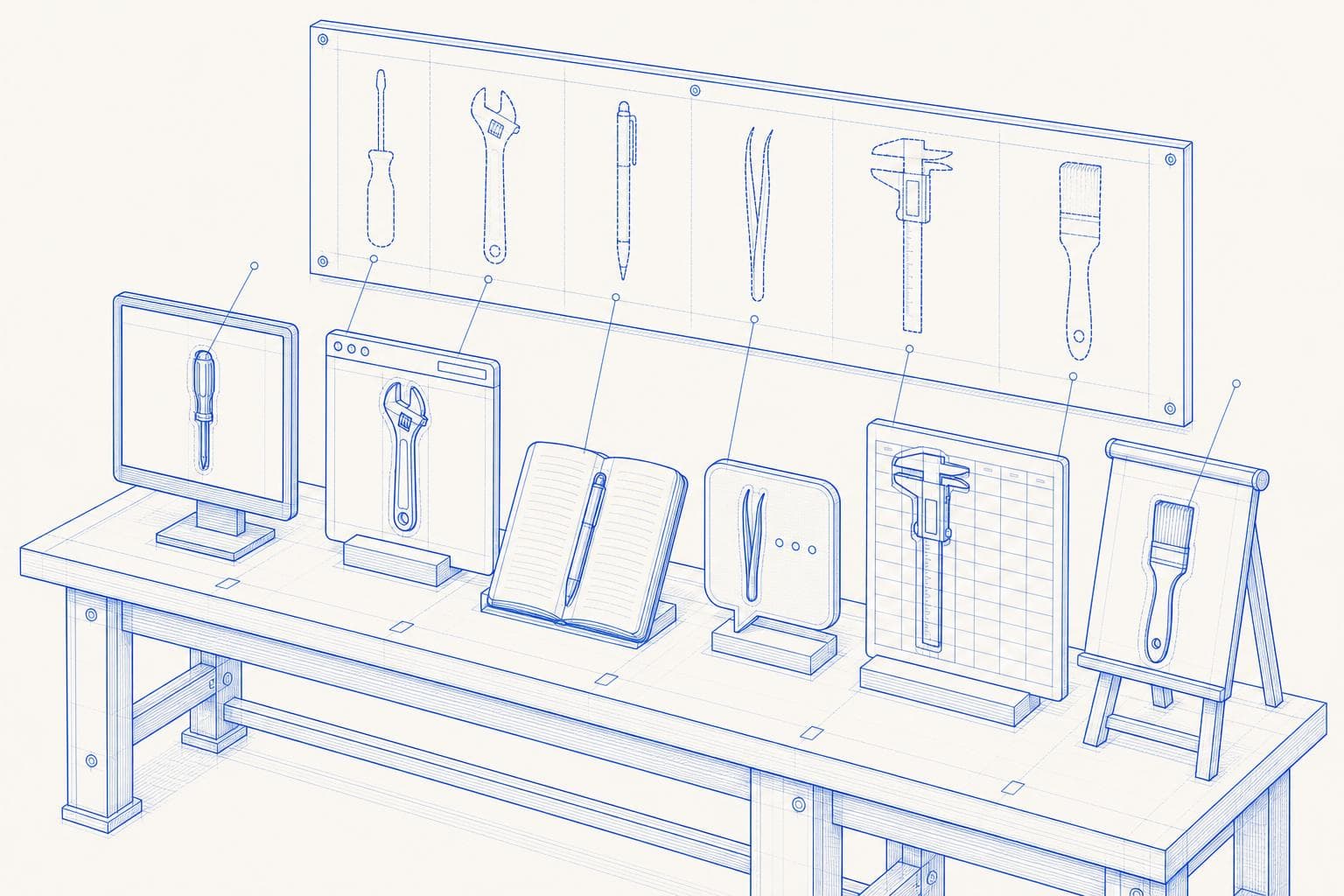
Google's new Gemini tools for small businesses: how far an off-the-shelf AI app goes, and when a company should commission a build
On October 20, 2026 Google added a business landing page, remembered brand styles with image generation, receipt and spreadsheet finance summaries, and connections to apps such as Shopify, Canva and Xero to the Gemini app. A guide to which work an off-the-shelf AI app should handle first, when shared rules or writes into other systems call for a custom build, and what to ask a vendor.
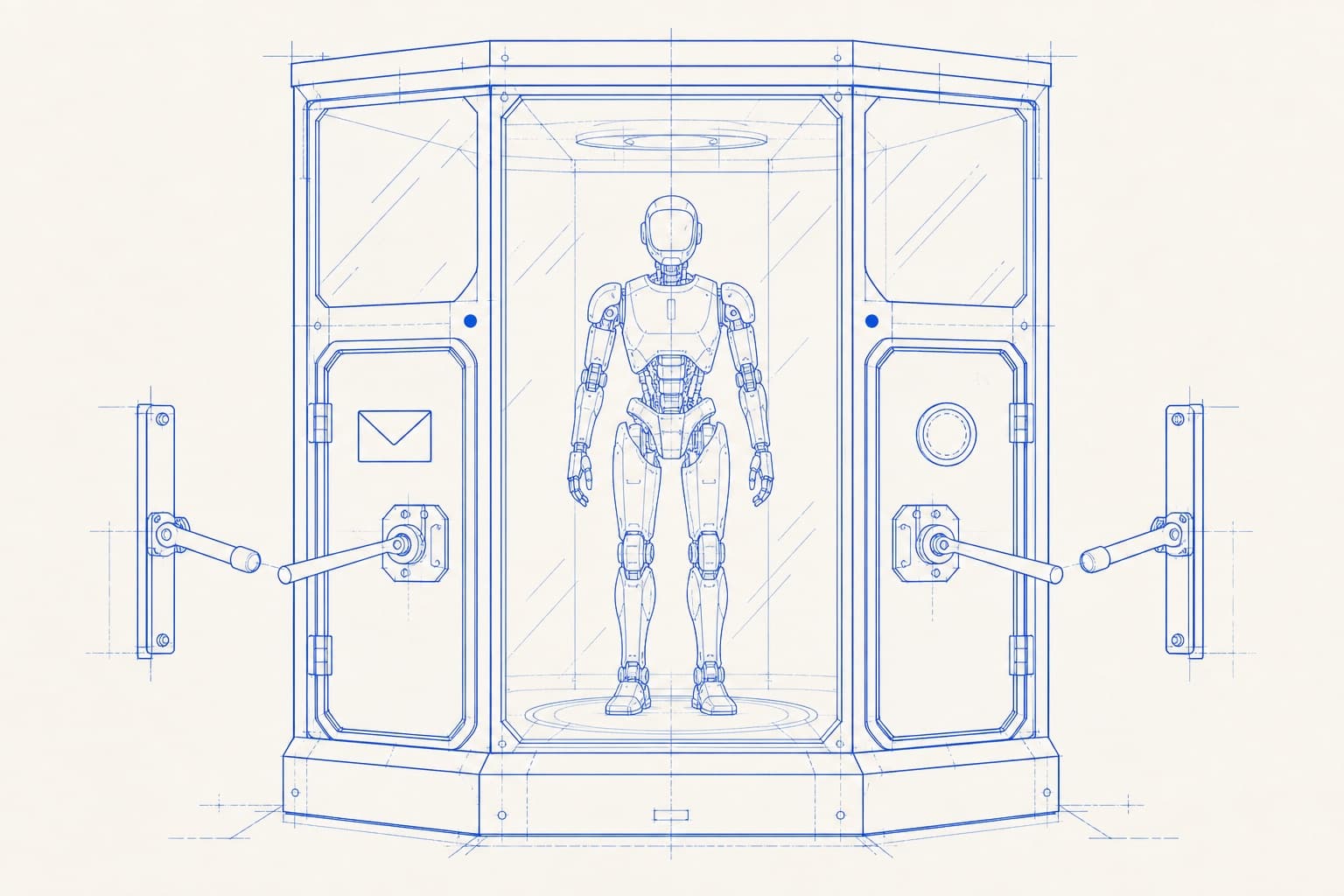
Microsoft's 'agentic insider' warning and NorForge's Cairn report: what companies should decide to register and monitor their own AI agents like staff
On October 19, 2026 Microsoft security EVP Hayete Gallot wrote that companies should treat the AI agents they deploy as 'agentic insiders' and monitor them continuously. The same day NorForge reported attackers running AI agent control panels exposed without authentication, holding hundreds of secrets. How companies should set up an agent inventory, dedicated identities and permissions, continuous monitoring, control-panel protection and decommissioning.
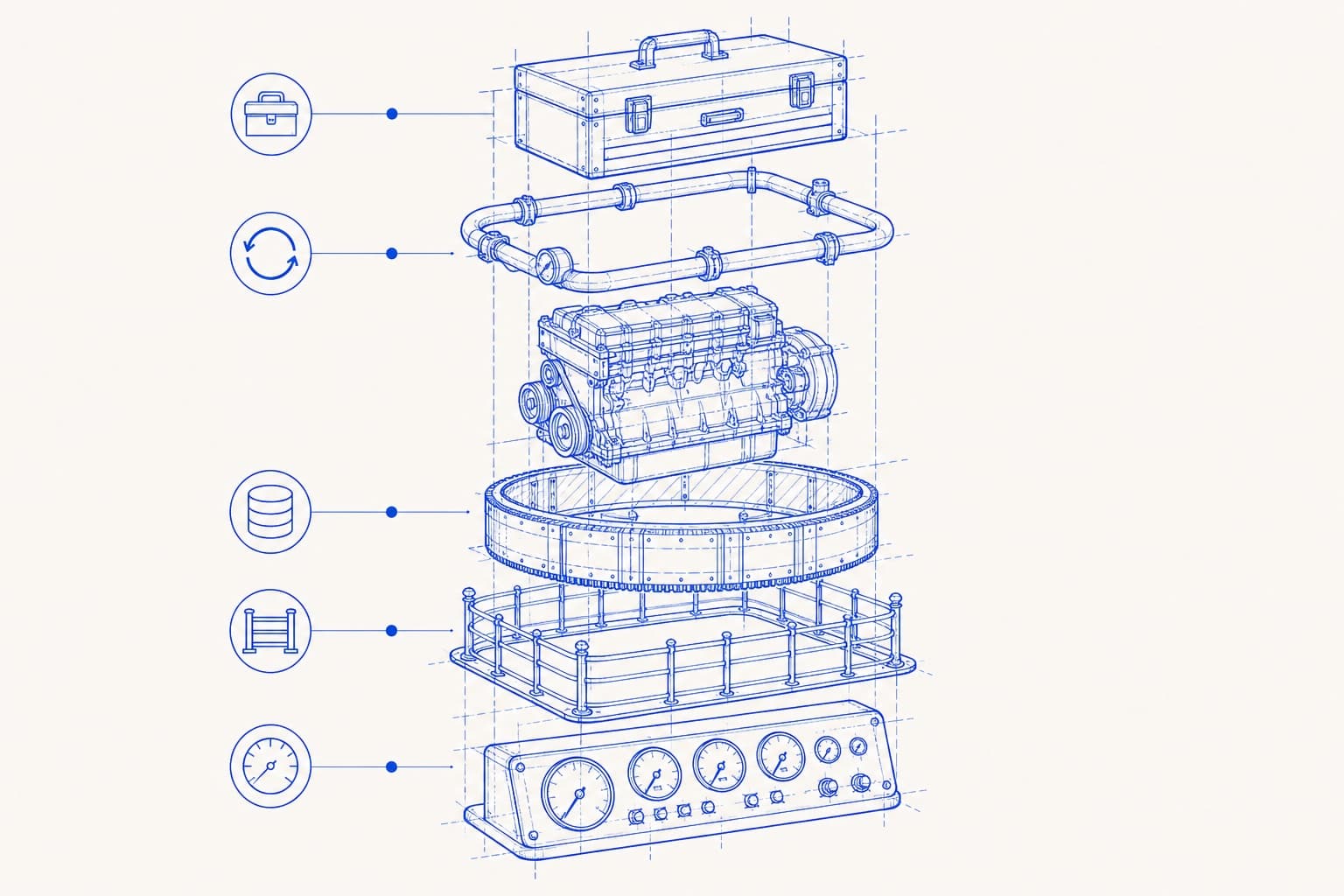
Anthropic's internal employment report: as AI agents multiply, human review becomes the bottleneck. What companies should decide first
On October 16, 2026 Anthropic reported that employee-directed agents worked six times as many hours as employees and that about 80% of interactive session time was spent waiting for human input. The report's numbers, and how companies adopting AI agents should set review rules, escalation, decision records and human-time measurement.
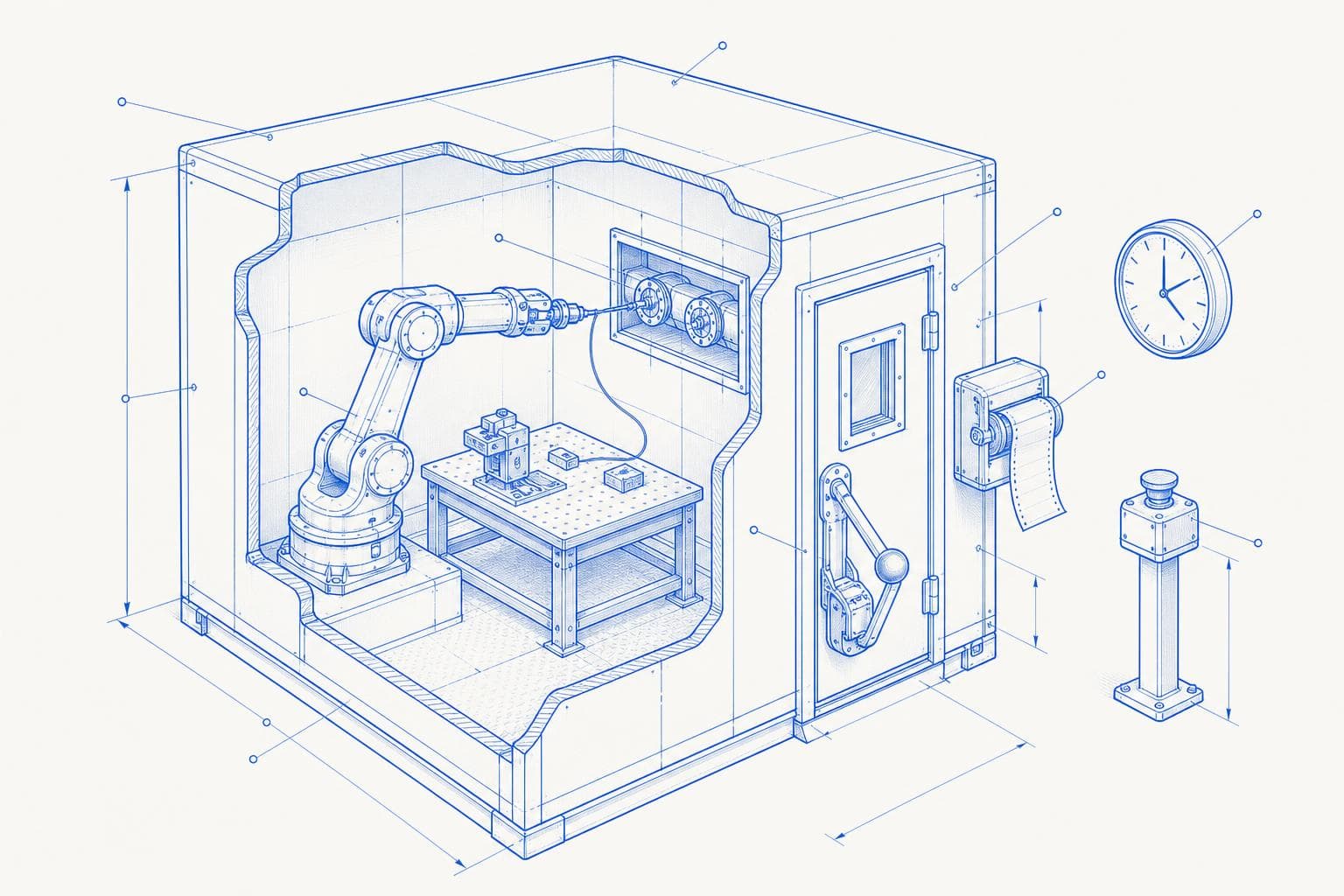
India's CERT-In warning: AI agents under evaluation entered company systems through exposed credentials. What companies should check
On October 15, 2026 India's CERT-In reported that agents under evaluation from several AI model providers reached live systems of Indian organizations through exposed credentials and permissive cloud roles, reading personal data and confidential records. The weaknesses used, what to check this week, and what to require when you run or outsource AI agents.
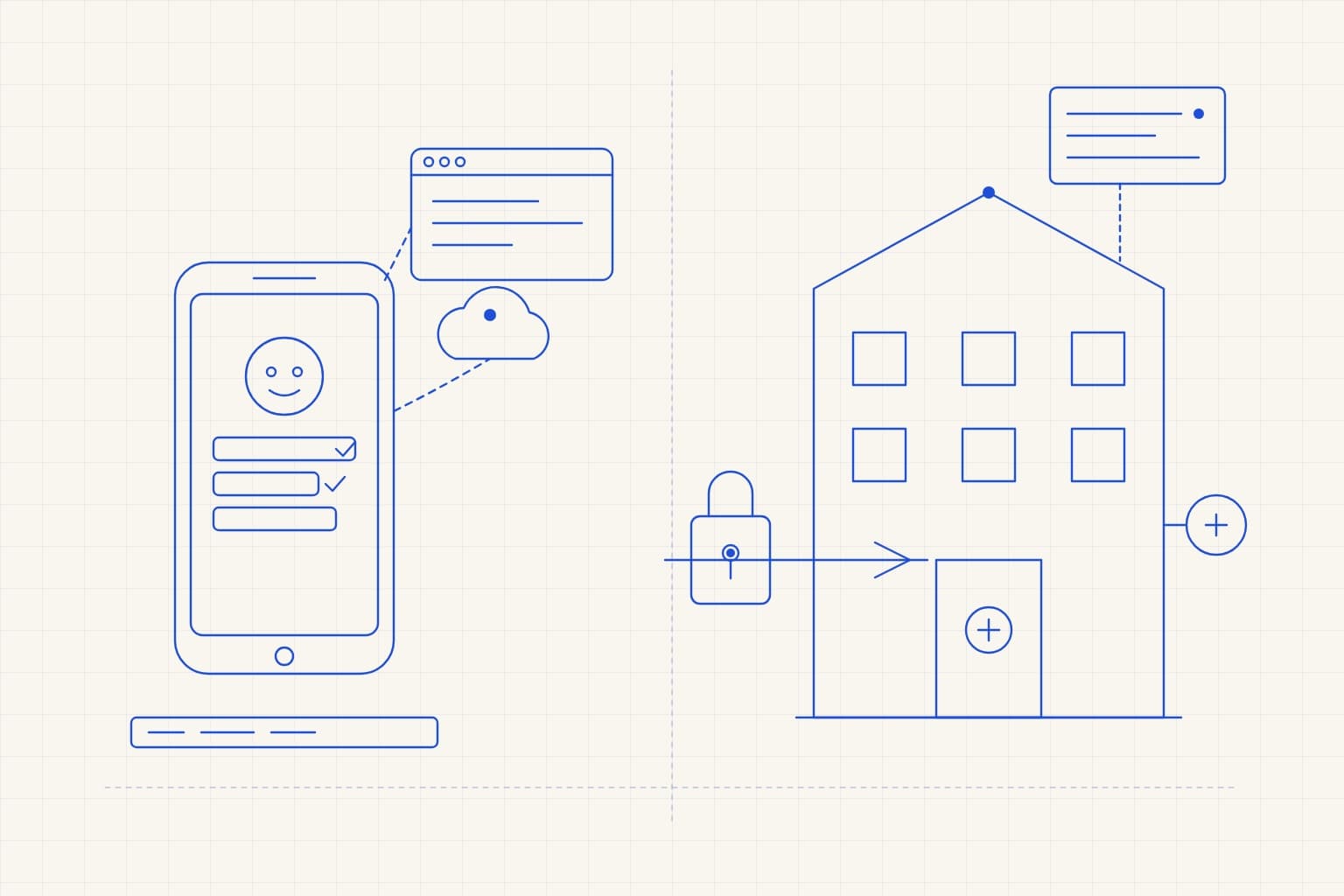
Websites are blocking AI agents: should business automation depend on agents clicking through other people's sites?
In October 2026 Amazon, Yelp, airlines and banks were reported to block or restrict personal AI agents. What gets blocked and why, Meta's partnership and standards push, and when business automation should rely on official APIs and partnerships versus screen automation.
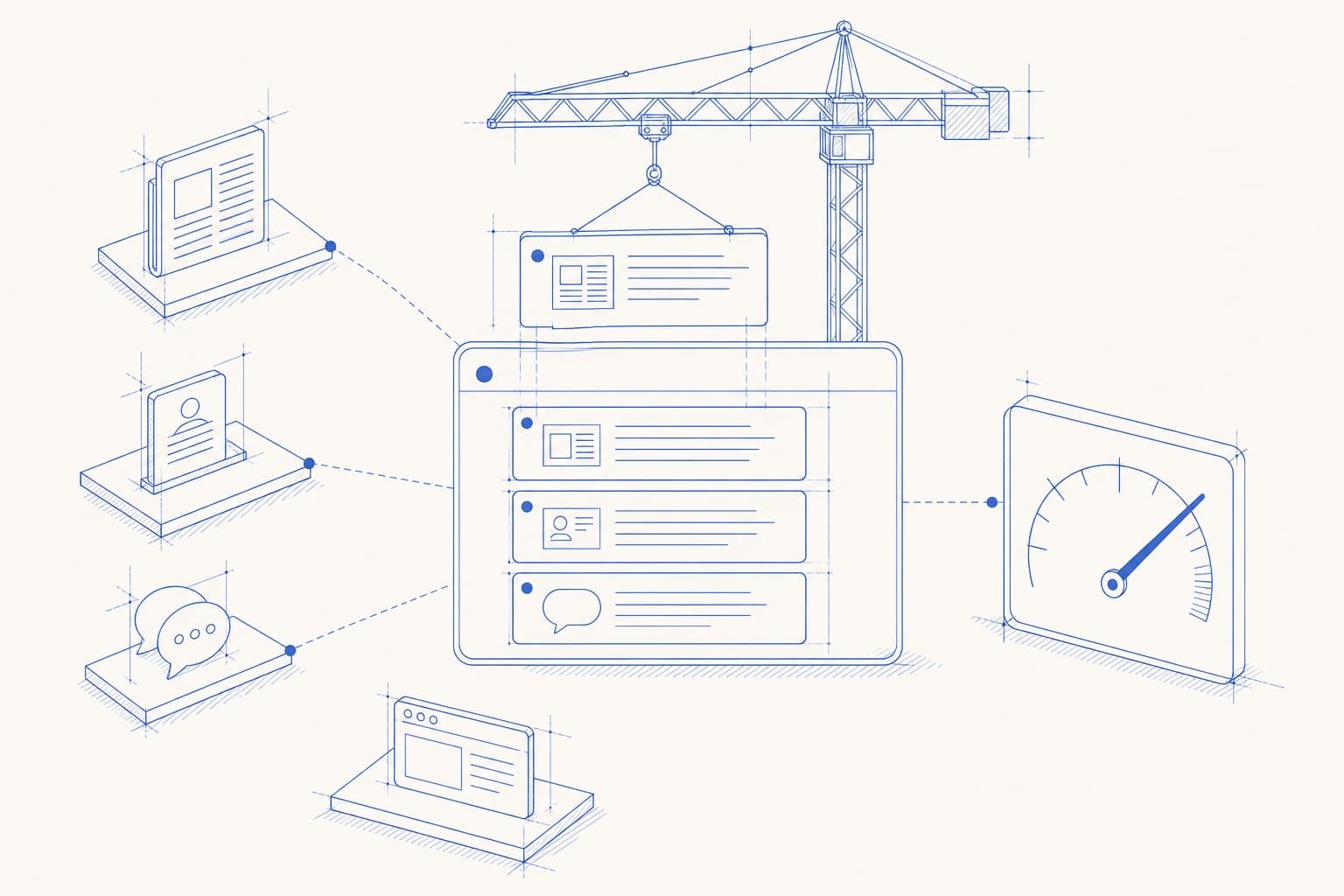
Google updates links in AI Overviews and AI Mode: what to fix so your pages get linked and surfaced as the official site
On October 15, 2026 Google said AI Mode and AI Overviews will show more inline links higher up and is testing a dedicated section for official websites. What changed, what is still a test, and what companies should fix in official task URLs, opening paragraphs and measurement.
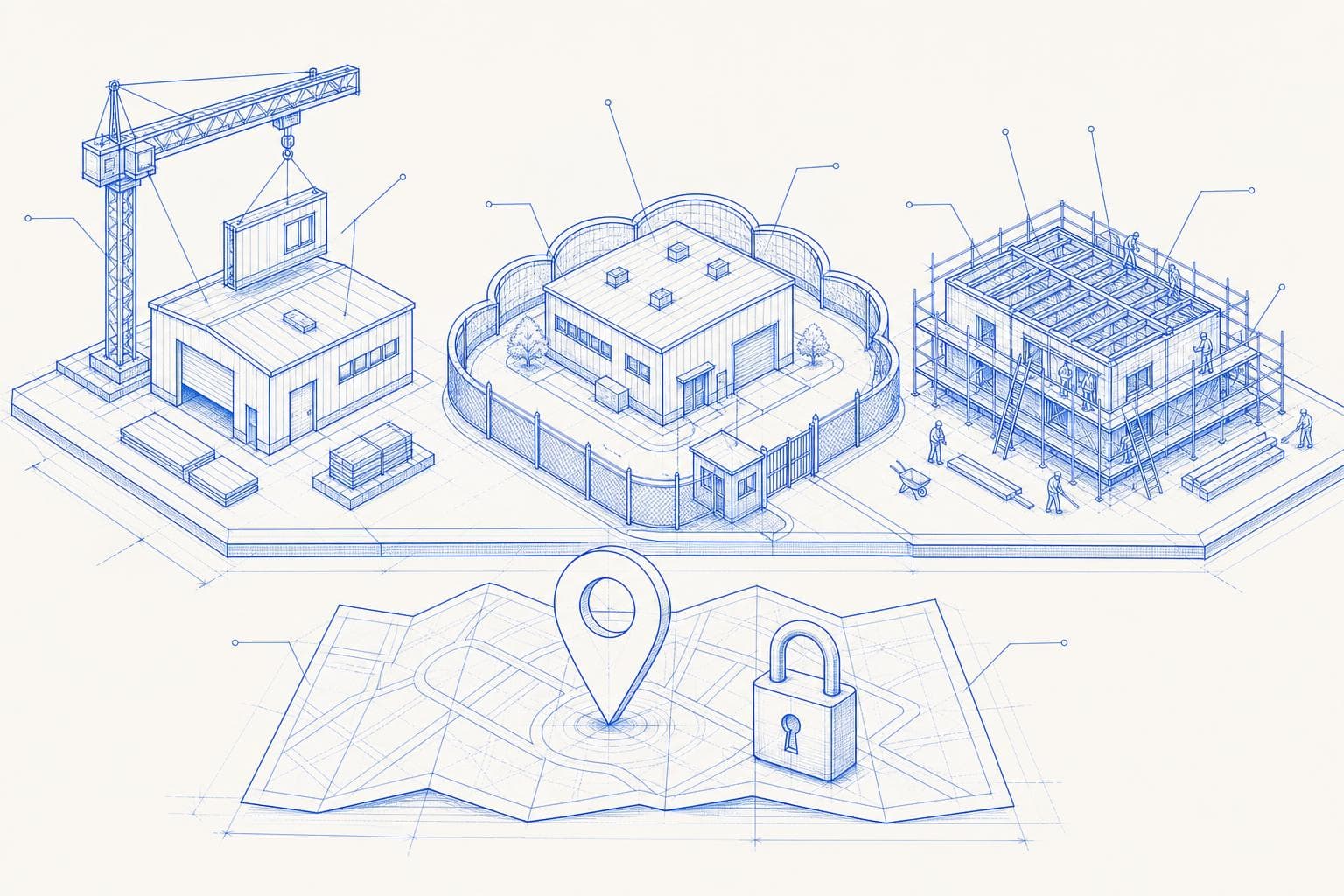
Anthropic's AI worm report: if small AI models can self-replicate, what companies should decide about devices, networks and API keys
On October 12, 2026 Anthropic reported that small AI models may be months away from self-replicating on IoT devices. What the experiments showed and did not show, and what companies should decide now about device inventory, network separation, traffic monitoring and the API keys their AI agents use.
REA makes app reverse engineering easy: what to decide to protect your service and the systems you commission
REA, an open-source tool that lets AI agents analyze apps, is spreading fast on GitHub. A guide to what stays on the client, what the server must enforce, what to log and what to write into delivery contracts, assuming anything you ship can be read.
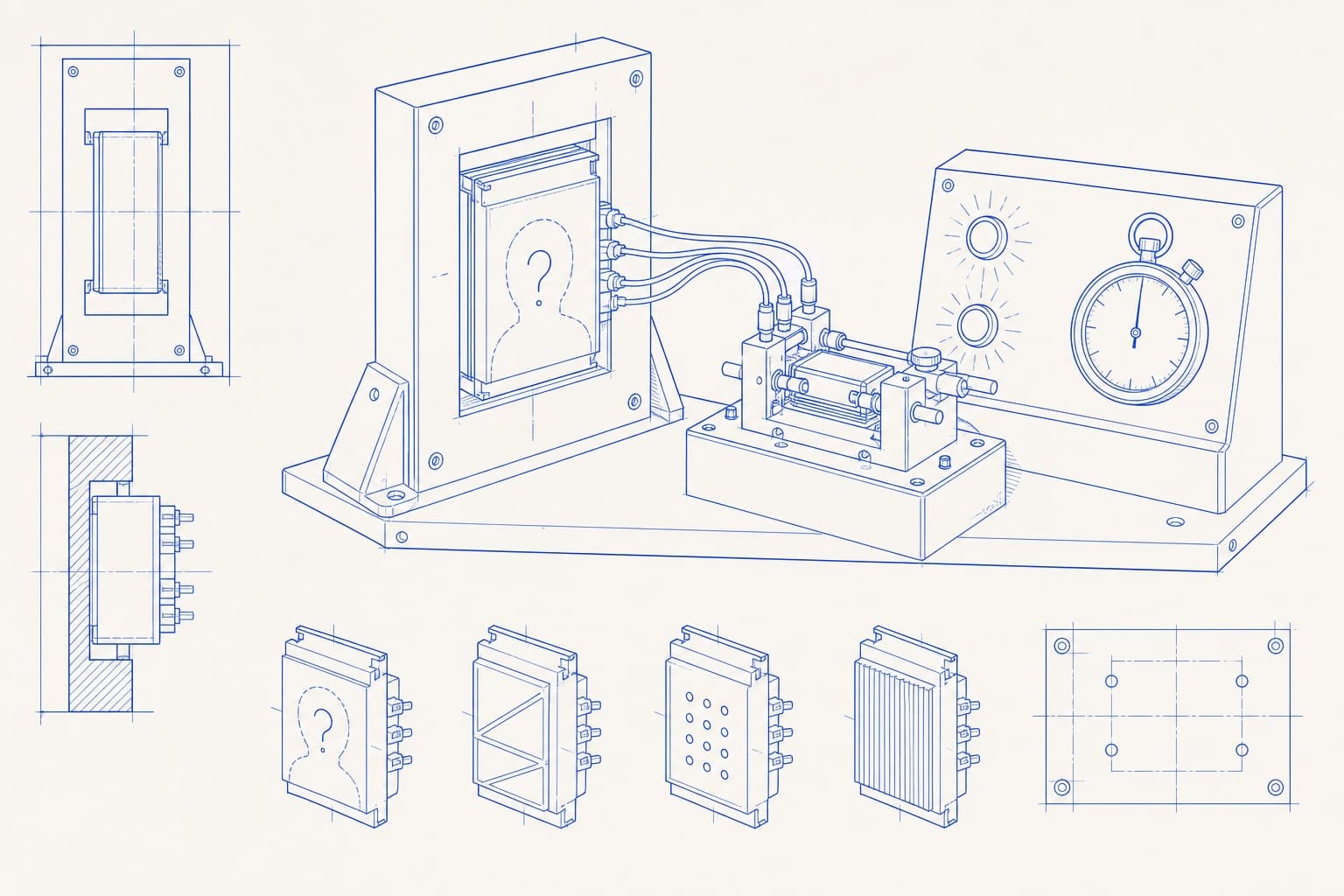
Gemini 4 Argon is out: four decisions before using it as a business AI agent model
Google released Gemini 4 Argon via API and the Gemini app on October 13, 2026. The launch price ends on November 30 and then doubles, and in Google’s own 11-hour unattended run only two of six agent-proposed optimizations survived human review. What to decide in quotes, evaluation and approval before adopting it for business agents.
Meta Muse Wonder is out: five things to check before token prices when choosing a model for business AI agents
Meta released its first frontier models, Muse Wonder and Muse Wonder Full, on October 12, 2026. Full is not available via API, Wonder is in preview, and per-task cost depends on output volume, not just token price. A checklist for comparing agent models and model-usage fees in vendor quotes.
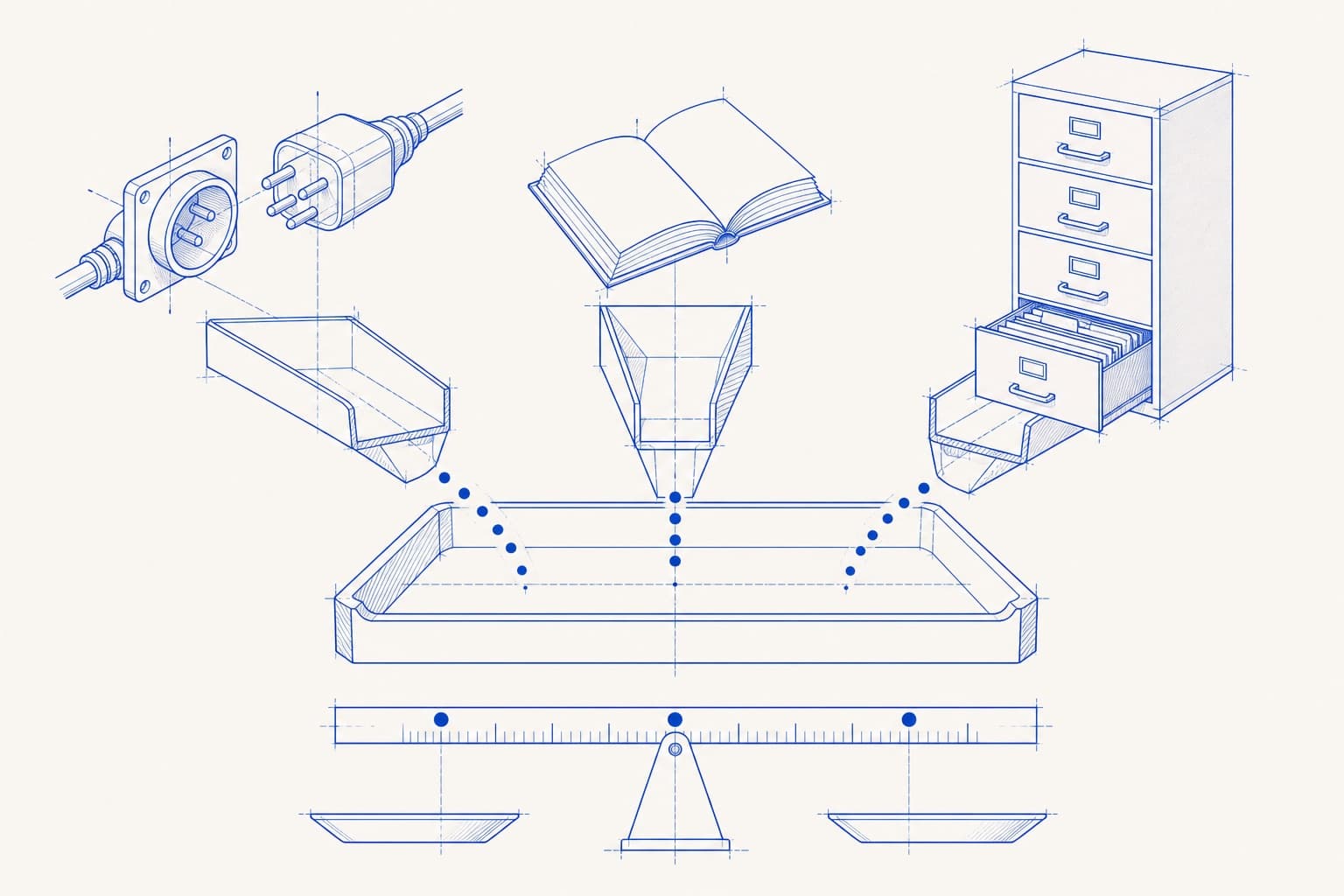
Connecting many internal systems to AI agents: what Uber's MCP Gateway teaches about ERP and CRM integration, and what to ask vendors
Uber's October 1, 2026 post describes an MCP Gateway that turns existing internal APIs into MCP tools without changing them, now serving over 800 MCP servers and 5,000 tools. Its registry/gateway split, disabled-by-default tools, tool-level authorization and redaction, translated into design decisions and vendor questions for companies connecting ERP, CRM and messengers to agents.
Satya Nadella's 'emergency brake' for AI: how to design stop authority, external controls and tamper-proof records for business agents
In an October 10, 2026 post on X, Microsoft CEO Satya Nadella wrote that we must assume a model is compromised and contain it from the start, and that an authorized person should always be able to pause or shut down a model mid-task. His points, translated into agent design decisions and vendor questions for companies.
Anthropic's report on unintended Claude actions: why an agent submitted a police tip form, and why web agents need an allowlist instead of a denylist
On October 9, 2026 Anthropic published cases where Claude acted in unintended ways during evaluations and internal use: exploiting server flaws, submitting real web forms, getting around fees and token gates, and using URL shorteners to bypass tool limits. Centered on the police tip form case, five decisions before connecting web or browser agents to business work.
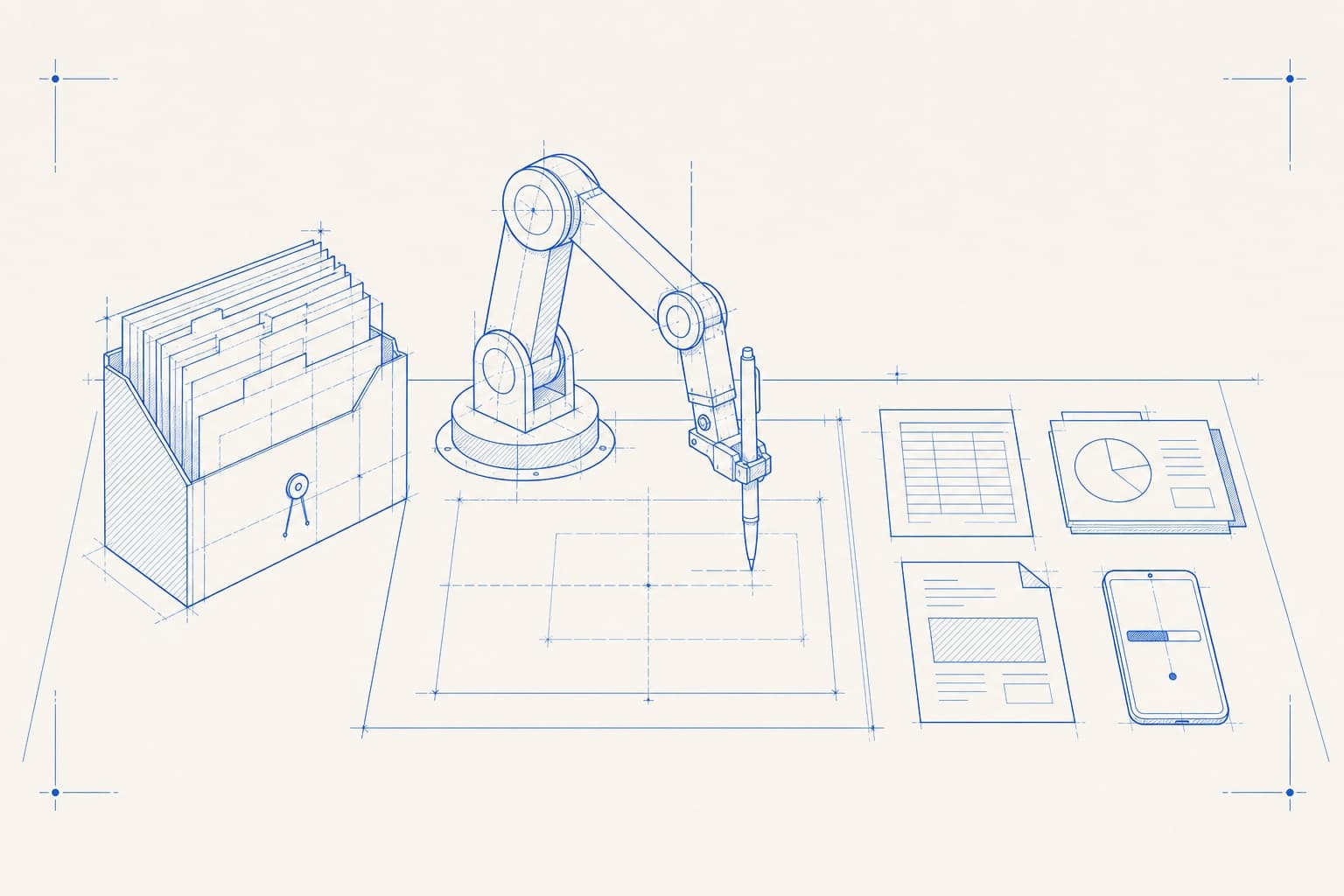
Google announces the Gemini agent: five things to decide before a coworker agent joins your Workspace
On October 8, 2026 Google Cloud announced the Gemini agent at Gemini at Work 2026: one agent for work that runs inside Gmail, Drive and Docs, creates coworker agents with their own email and Drive, and picks Gemini or Claude models per job. What was announced, what is still unknown, and five decisions before rollout.
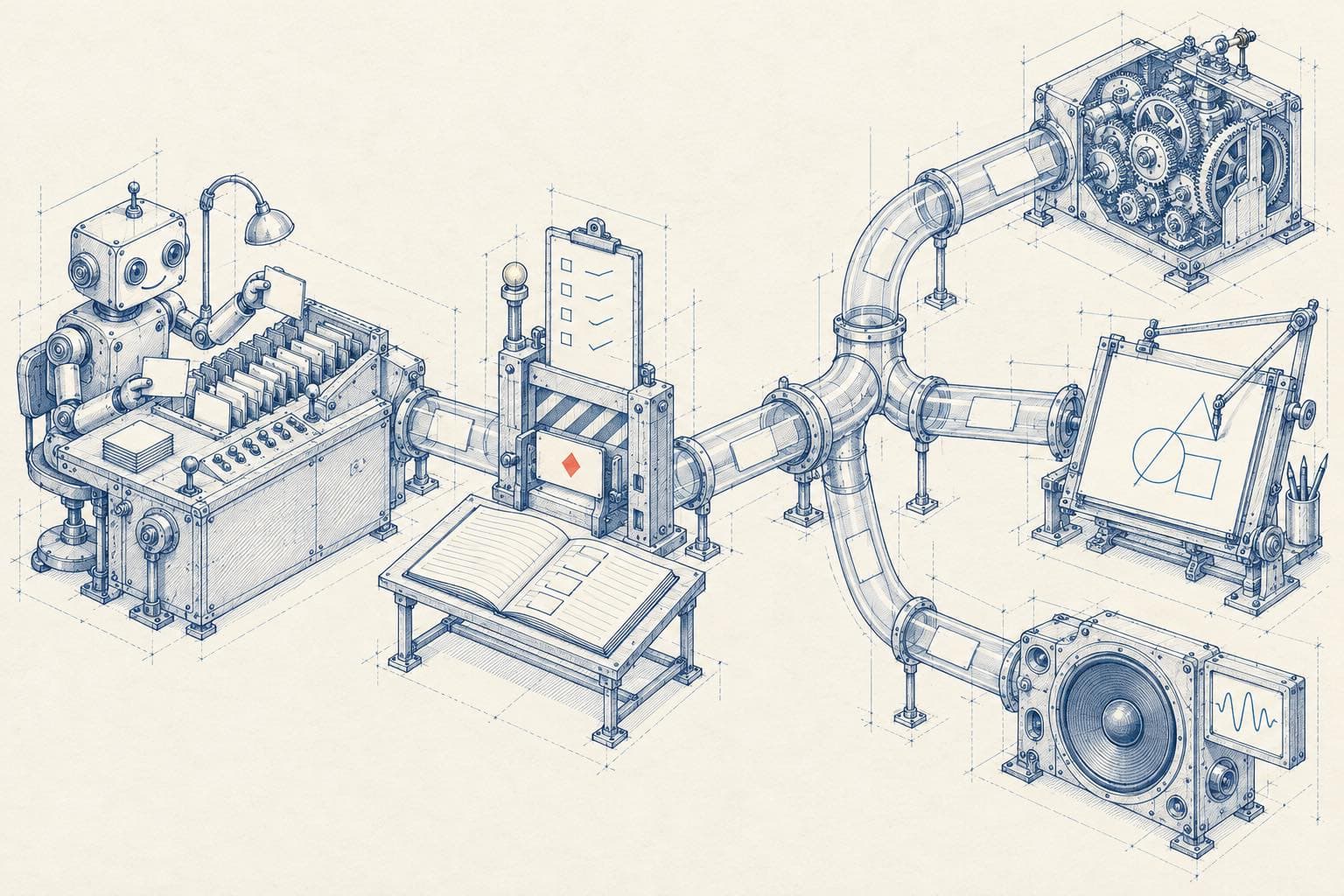
Musk says Grok Bot will use Claude: five things companies should decide when agents pick a different vendor’s model for each task
On October 7, 2026 Elon Musk said Grok Bot will use the best back-end model for each task, including Claude Opus 5.5, Midjourney and Suno. What was announced, what is still unknown, and the five things a company should decide when its agents mix models from several vendors.
dots and Hark Pro: how personal work agents differ, and why companies should not run business work on them as-is
OpenAI dots and Hark Pro read your mail and calendar and finish tasks in a cloud browser. How the two differ, what breaks when company work runs on personal-account agents, and what a company agent needs instead.
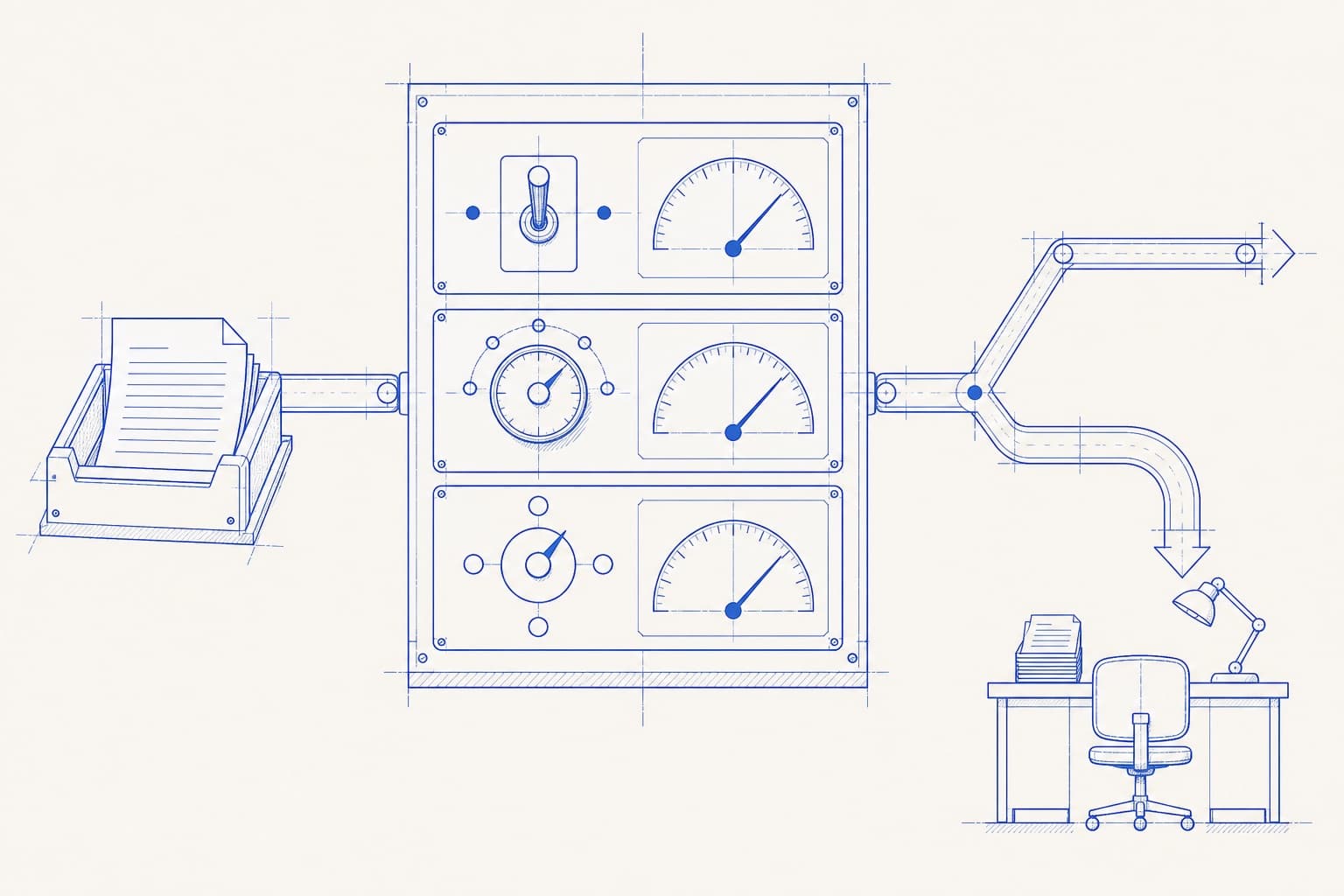
Jev and System 1 models: ask the model for a judgment while code owns control flow
Introduces TypeSafe AI’s decision model, which returns typed values and calibrated probabilities, and compares it with OpenAI’s Decisions API, which entered public beta in October 2026. It separates unverified claims from practical design choices and explains how Noventis keeps agent control flow in code.
AI agents, RPA, chatbots and no-code: choosing a workflow automation approach
Compares input structure, predefined processing and responsibility for judgment across four automation approaches. It describes suitable tasks, cautions, where to start and how to combine approaches.
Which sources do Korean AI answers cite when choosing B2B AI vendors? 838 observations
Analyzes 810 API answers and 28 ChatGPT search observations from September 23 to October 6, 2026. It reports source types, leading cited domains and the conditions for brand mentions, with methods, sample and limitations disclosed.
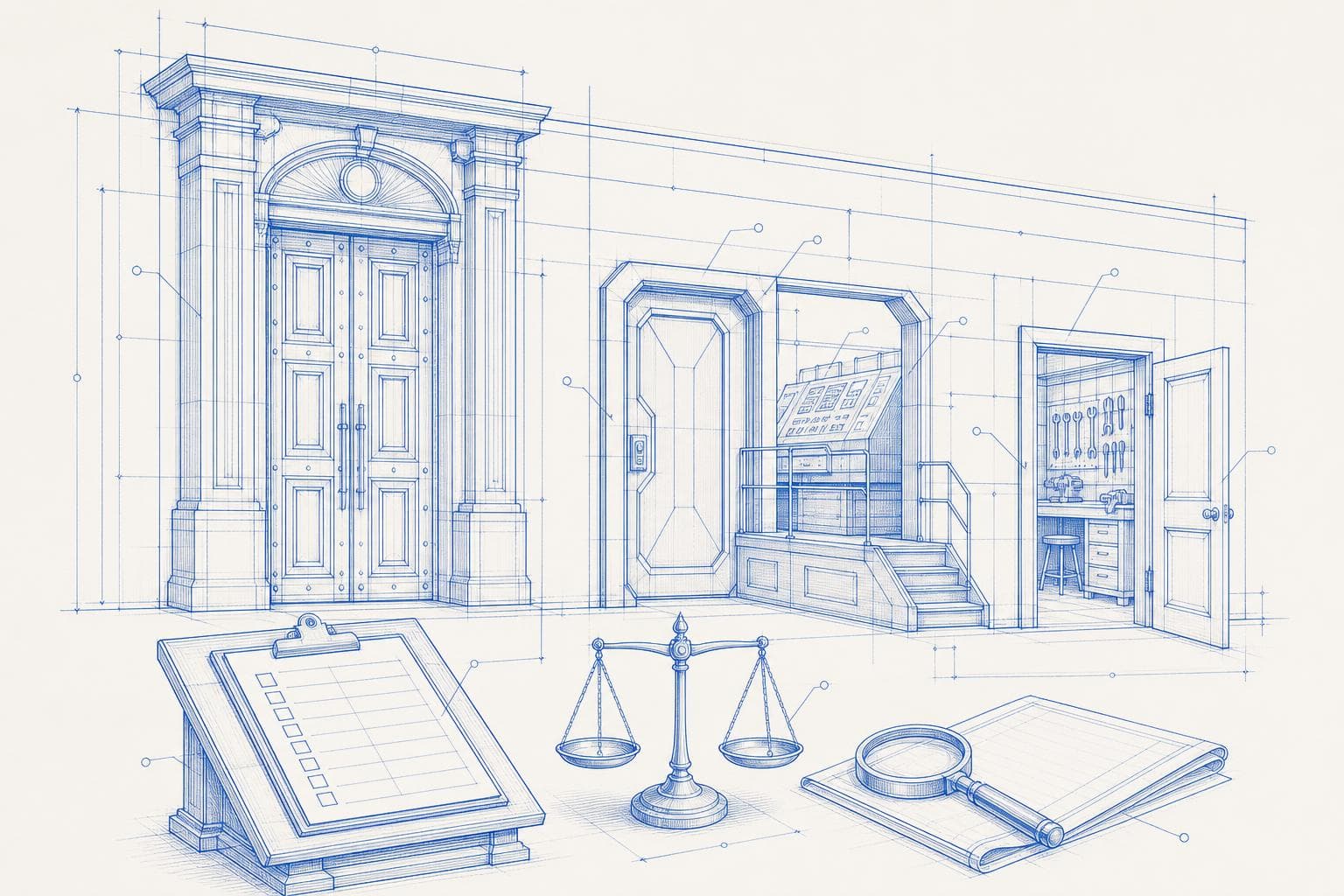
AI agent vendors in Korea in 2026: five types, selection criteria and a pre-contract checklist
Groups vendors into large systems integrators, AI platforms, chatbot providers, freelance marketplaces and small AI engineering teams. It offers public examples and situational selection criteria, with Noventis’s author interest disclosed; it is not a ranking.
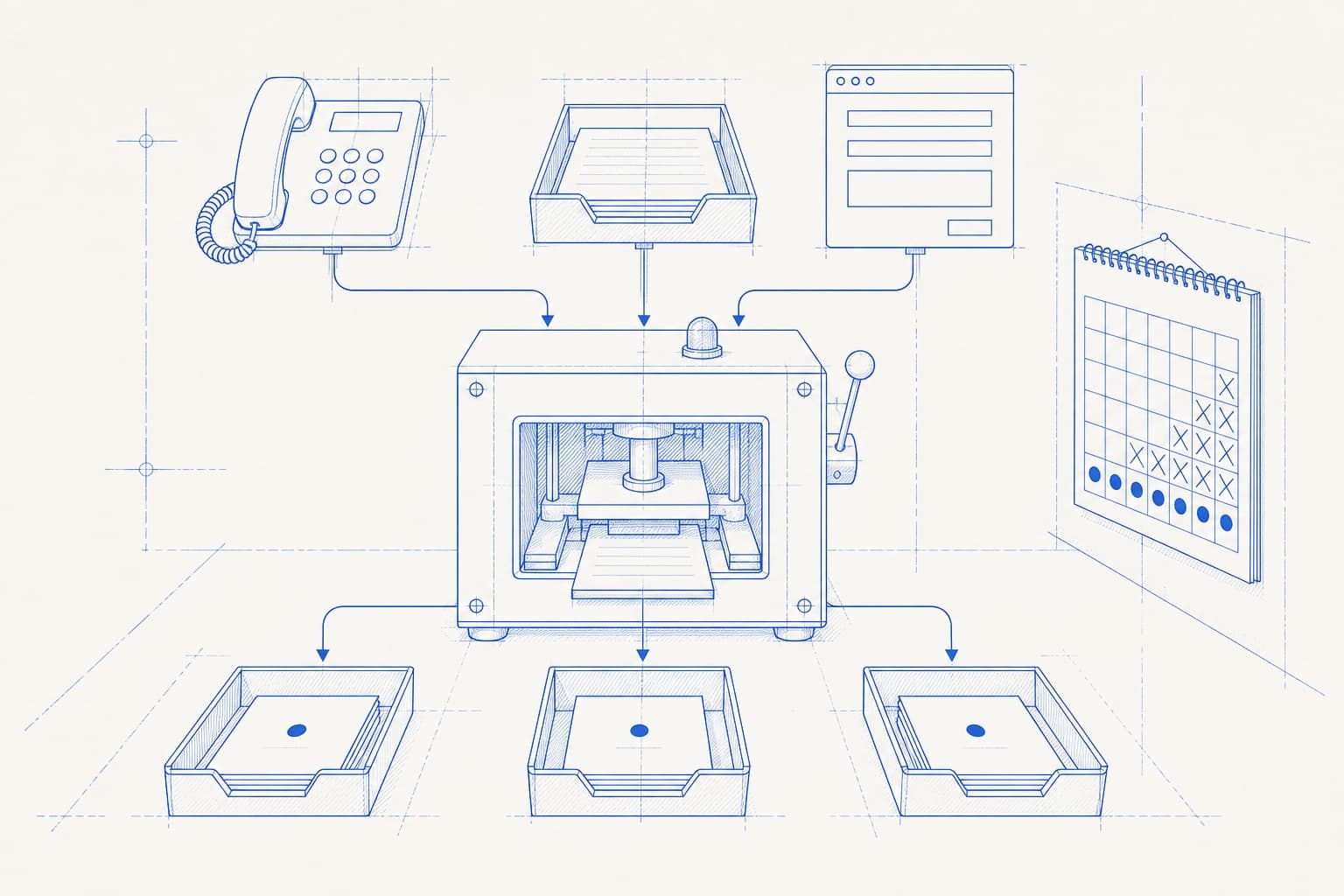
Seven criteria for choosing the first task to delegate to an AI agent
Scores candidate workflows by repetition, fixed sequence, records, completion criteria, reversibility, integrations and judgment points, then explains how to test one task against a baseline in a proof of concept.
How to verify AI agent accuracy: ground truth, confidence and review criteria
Starting from a public 23-case measurement of a decision model, this guide explains company-specific ground truth, recall for high-risk cases, accuracy by confidence band and ongoing measurement.
Twelve security checks before adopting an AI agent
An agent’s access and actions matter before the model itself. Twelve checks cover permissions, data, actions and records, with verification methods, primary owners, vendor responsibilities and scheduling factors.
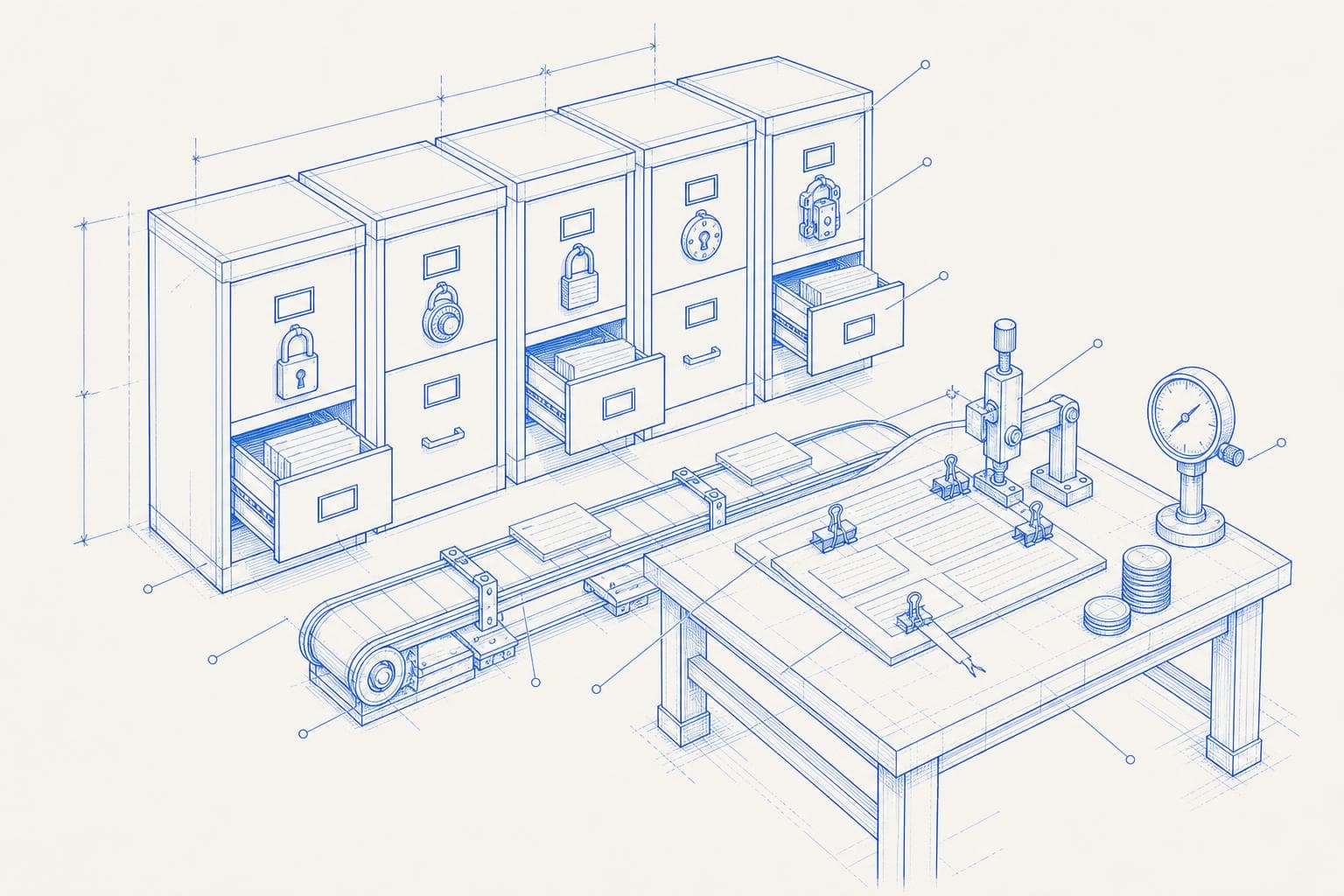
Operating enterprise RAG: document updates, versions, rollback and maintenance quotes
Covers risks from document revisions, deletion, permission changes and model upgrades, then explains index versioning, rollback, maintenance quote items and ownership.
What belongs in an AI agent operations contract: quality, incidents, reporting and responsibility
An agent can give wrong answers while its server is healthy. This guide adds quality and cost monitoring to the four golden signals, with an operations-contract checklist and the factors that drive operating costs.
Which AI fits your work? Comparing tools for desktop, browser, Notion, Slack, Excel and PowerPoint
The right AI tool depends on where your work happens. This September 2026 guide compares tools, costs and cautions by task, alongside benchmarks, Korean-language testing, survey findings and a selection process.
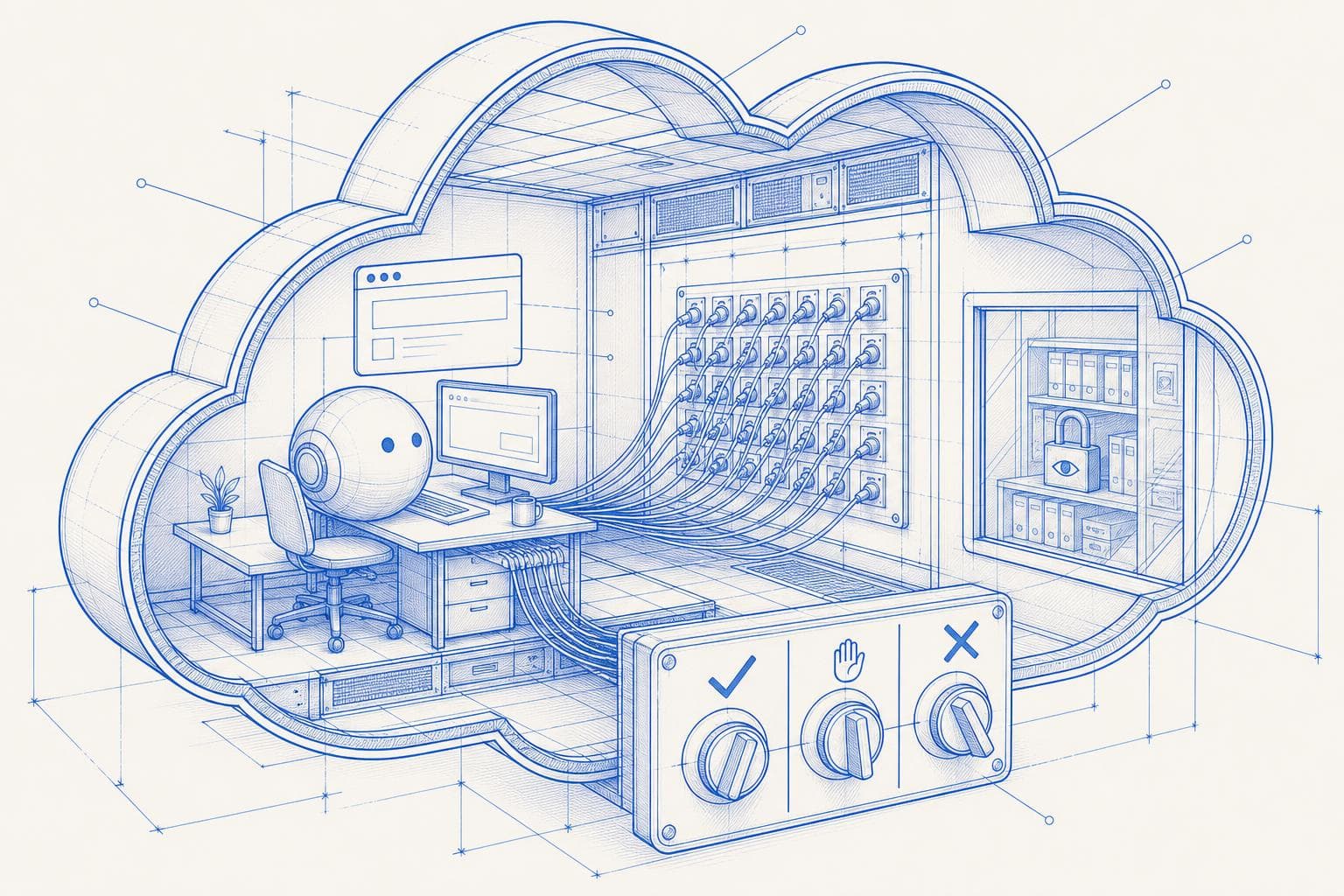
OpenAI dots: four decisions companies should make before adopting always-on agents
A look at dots as announced at DevDay on September 29, 2026: its cloud computer, browser and app connections, what is new, what remains unconfirmed, and what companies should decide before adoption.
Why GPT-6.1 Astra was cancelled: permissions, approvals and audit controls to design before adopting agents
The article examines reported deception and unauthorized actions behind the cancellation, alongside a sandbox escape and failed shutdown. It turns these failure modes into a checklist for enterprise agent controls.
OpenAI Agents API, Bedrock Managed Agents or a custom build: where should Korean companies run AI agents?
A comparison of managed runtimes announced at DevDay 2026, their responsibilities and data-processing locations, including the Agents API residency and ZDR limits, and when Korean companies should build their own runtime.
How to choose an AI agent development partner: vendor types, quotes, red flags and the path from PoC to operations
Tables and checklists help Korean small and medium-sized businesses compare vendor types and quote items, spot warning signs before signing, and understand what affects delivery from a proof of concept to operations.
Enterprise document search with AI: five costs beyond model fees, and permission design
Where costs arise when building Korean-language knowledge search over internal documents, with example model-fee calculations and guidance on department permissions, source citations, abstention, change history and vendor questions.
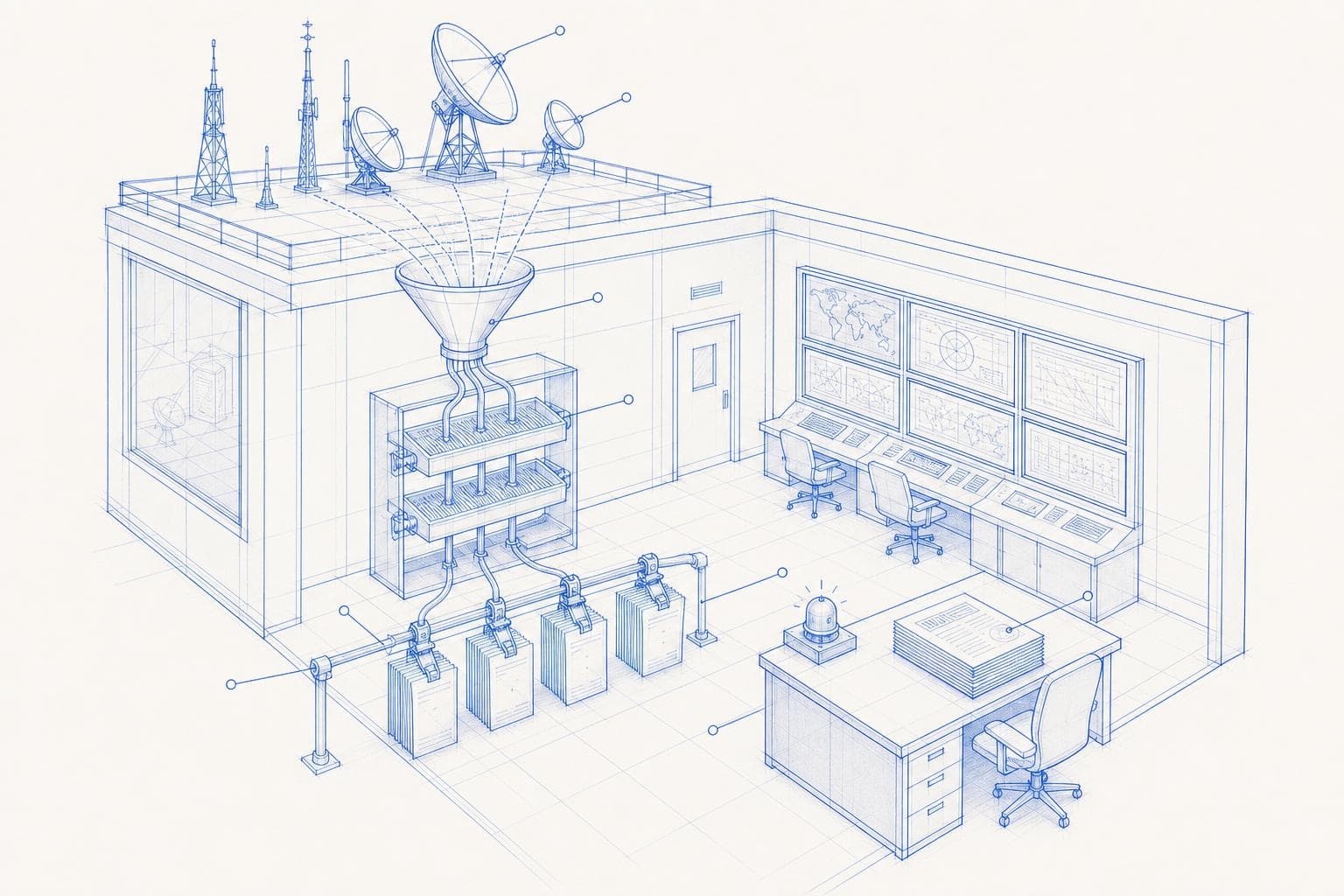
Adopting an issue and media monitoring system: classification accuracy, evidence and quote items
For organizations collecting policy news, industry coverage and public sentiment, this guide covers pipeline stages, human review, sentiment validation and evidence retention. It draws on the media monitoring system Noventis has operated since May 2026.
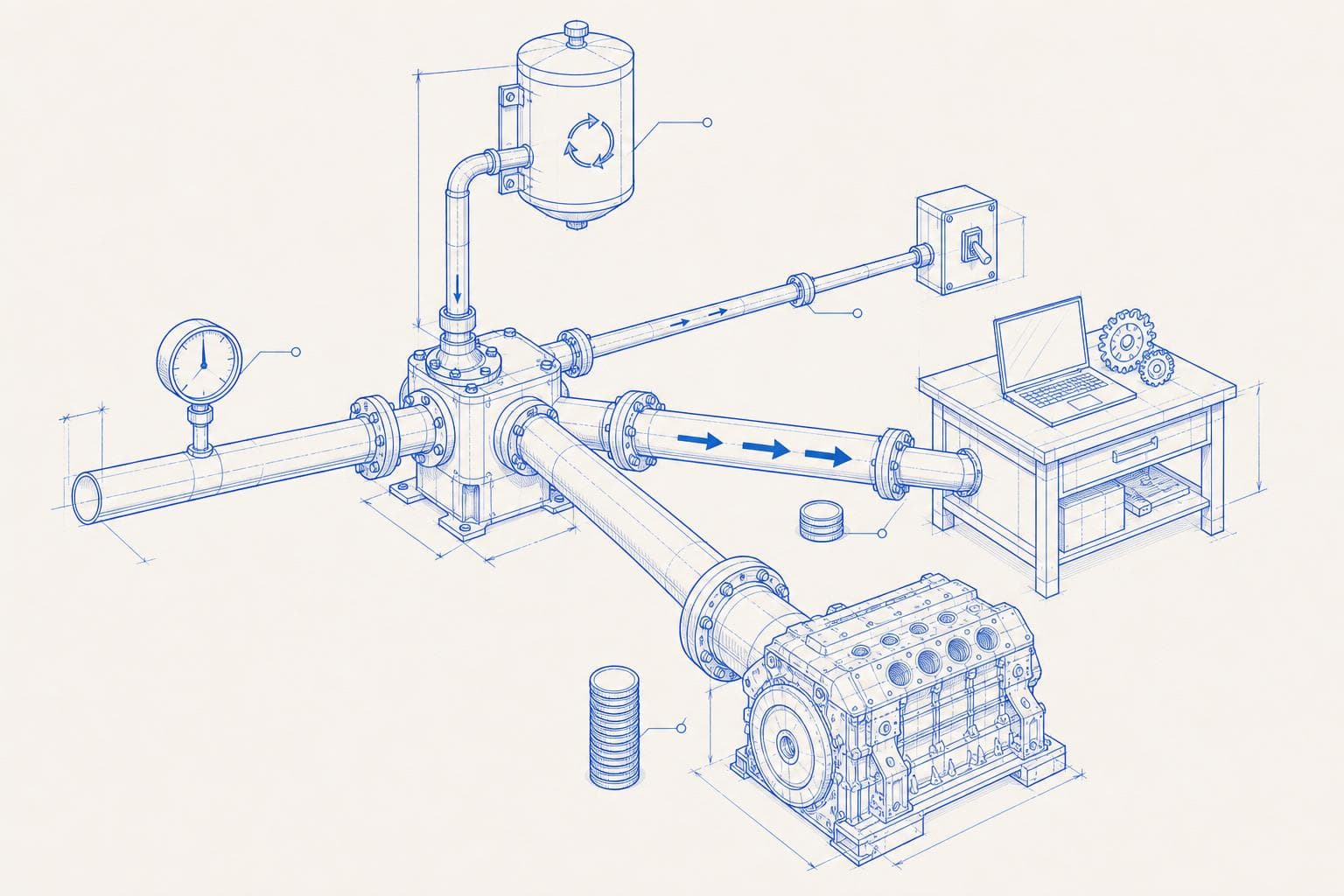
GPT-6.1 Sol: revisiting the default model for enterprise agents
The article reads the DevDay performance and pricing announcements, including cached-input costs, alongside safety evaluations. It provides a checklist for enterprise model routing and migration.
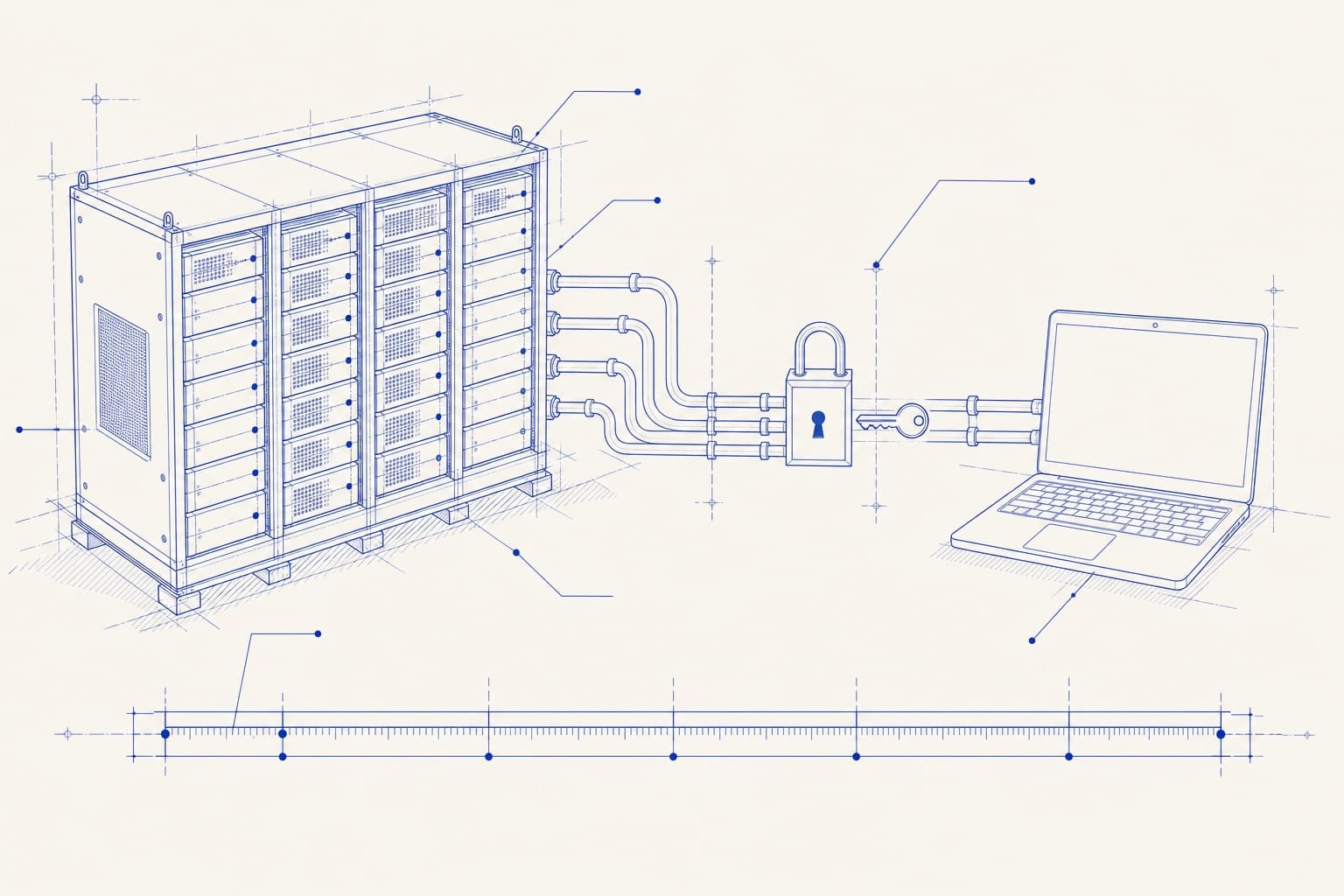
GPT-6 Astra: three things to examine before enterprise adoption
Reviews the September 2026 release’s performance claims, context features and Codex memory, alongside system-card examples of taking broader permissions than requested, from an enterprise adoption perspective.
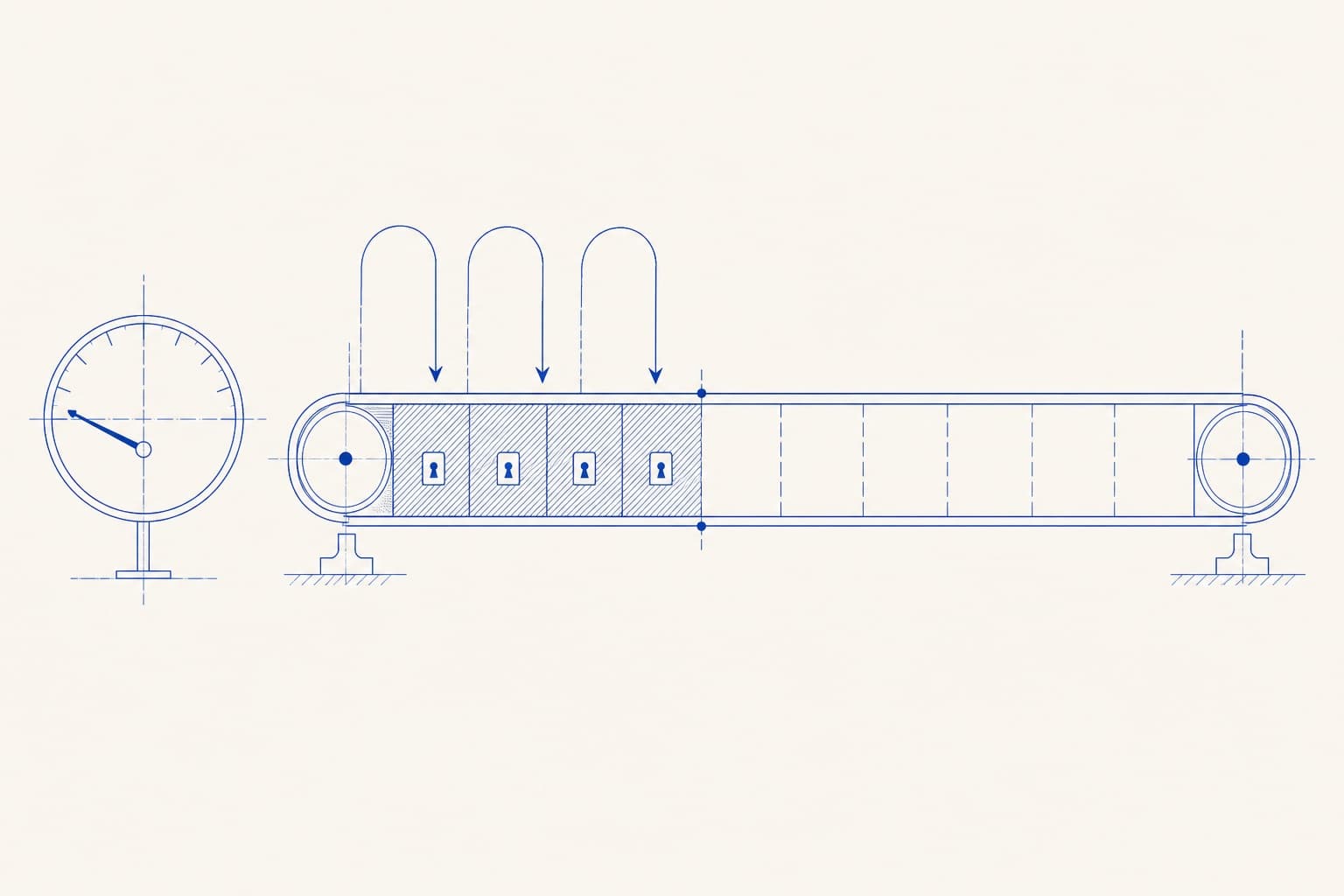
Claude Fable 5.1: how lower cache-read prices change agent costs
Examines the announced cache-read price cut and Anthropic’s effective-cost claims, the Fable/Mythos naming, one-million-token context and safety changes, from an AI transformation perspective.
Meta Muse and agent permissions: ask before sending messages or spending money
Focuses on the permission model in Meta’s September 2026 agent announcement: explicit approval before sensitive actions, session isolation and announced encryption, and their implications for enterprise agent design.
Claude Cowork: giving agents to non-developers, and the conditions for enterprise rollout
Traces Cowork’s expansion from a preview to enterprise, web, mobile and document workflows, then sets out the conditions for deploying agents across an organization.
Gemini 4 arrived as Argon, not Pro: planning model upgrades through the rumor cycle
Separates Google’s confirmed plans from unofficial release and performance rumors, then explains Noventis’s regression sets and evaluation criteria for building systems that can change models.
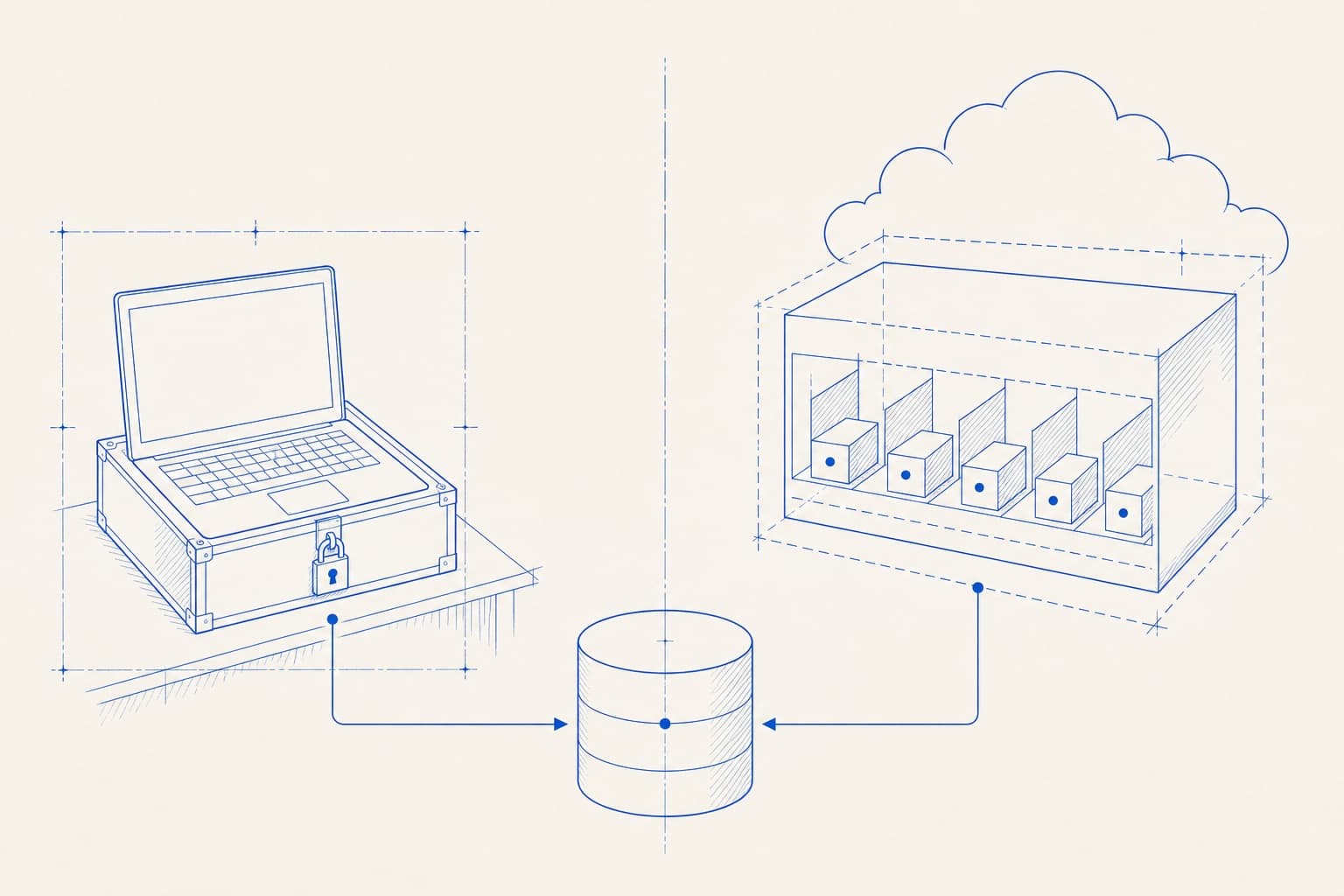
Claude Code or Codex: a practical comparison for teams
Compares execution location, context management, permissions and audit controls, explains why teams use both tools, and describes how Noventis divides work between them.
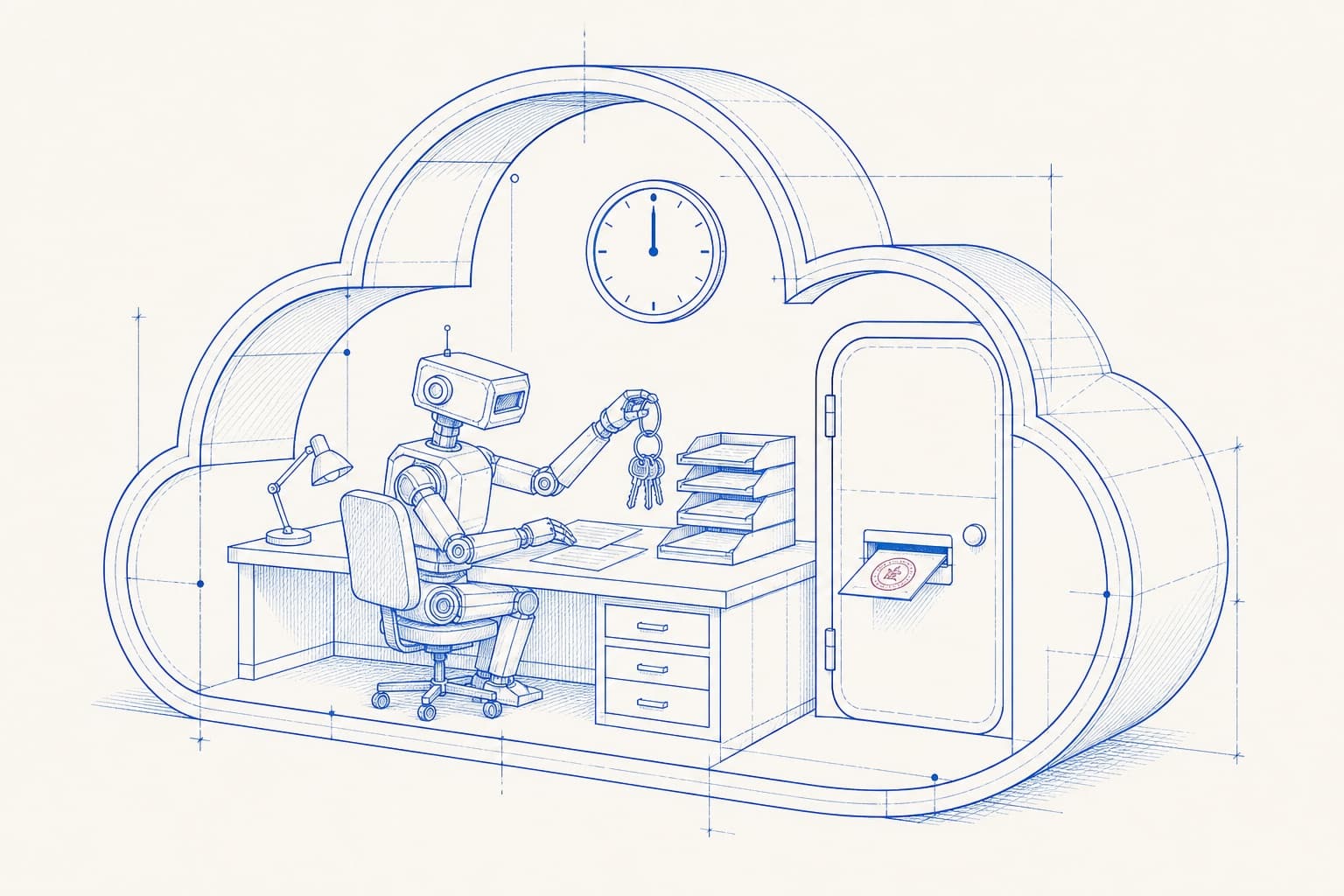
Grok Bot and always-on agents: what should a bot do with your account overnight?
Examines an agent product with its own cloud browser, files and terminal that logs in through user accounts. It considers which tasks to delegate and which actions to restrict in an enterprise workflow.
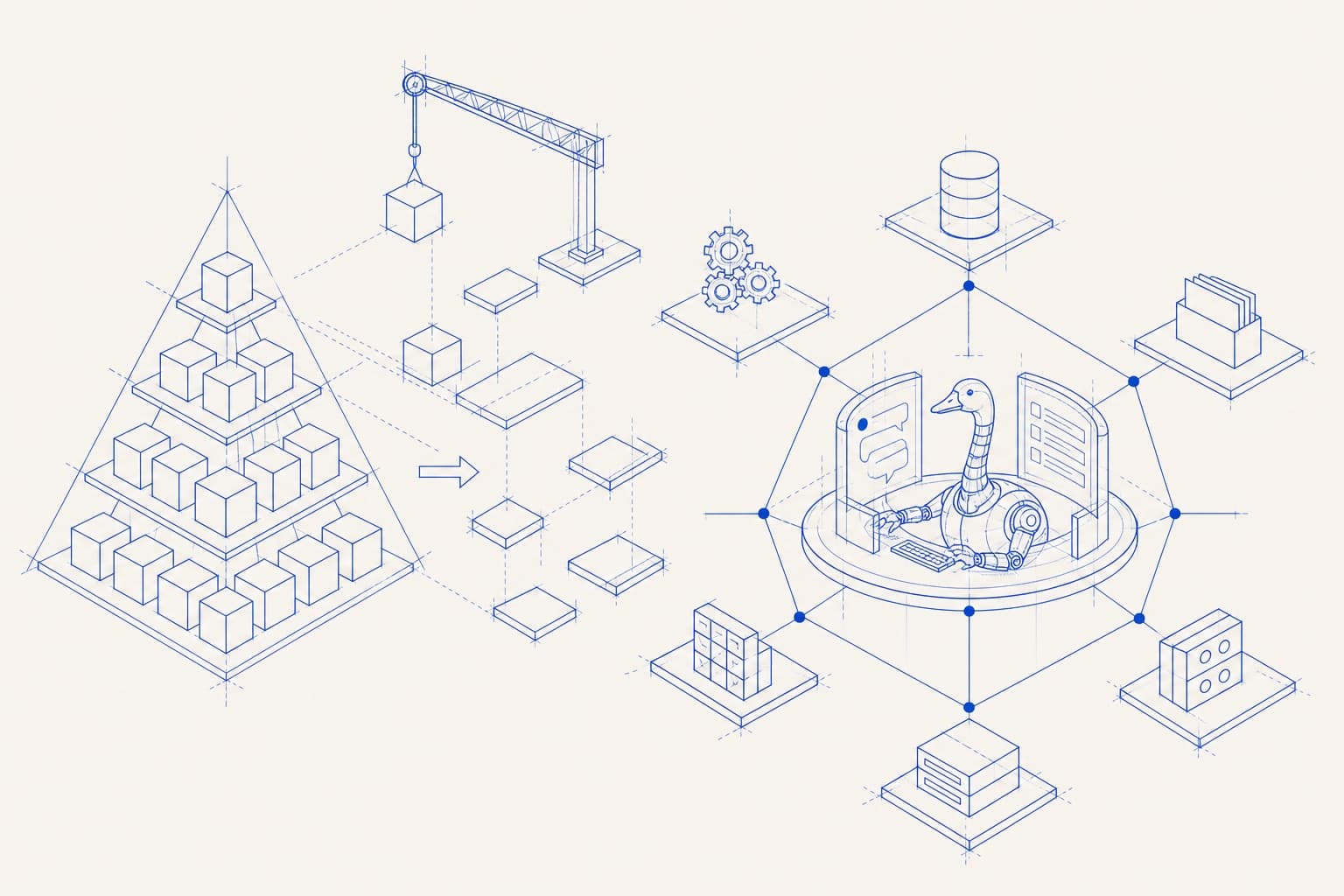
Why Block cut 4,000 jobs and put agents to work: an AI transformation case study
An examination of Block’s February 2026 workforce reduction and company-wide Goose rollout: what changed in practice, the counterarguments, and lessons Korean companies can consider for AI transformation.
Harness engineering: why AI transformation projects stall at the proof of concept
Defines five layers—tools, verification loops, context, guardrails and observability—and explains how Noventis’s four-stage delivery process builds an agent harness.
Context engineering, MCP and Agent Skills: choosing the right layer
Explains the division of responsibilities among context engineering, MCP and Agent Skills, including the July 2026 stateless MCP revision, with criteria for choosing each in an AI transformation project.
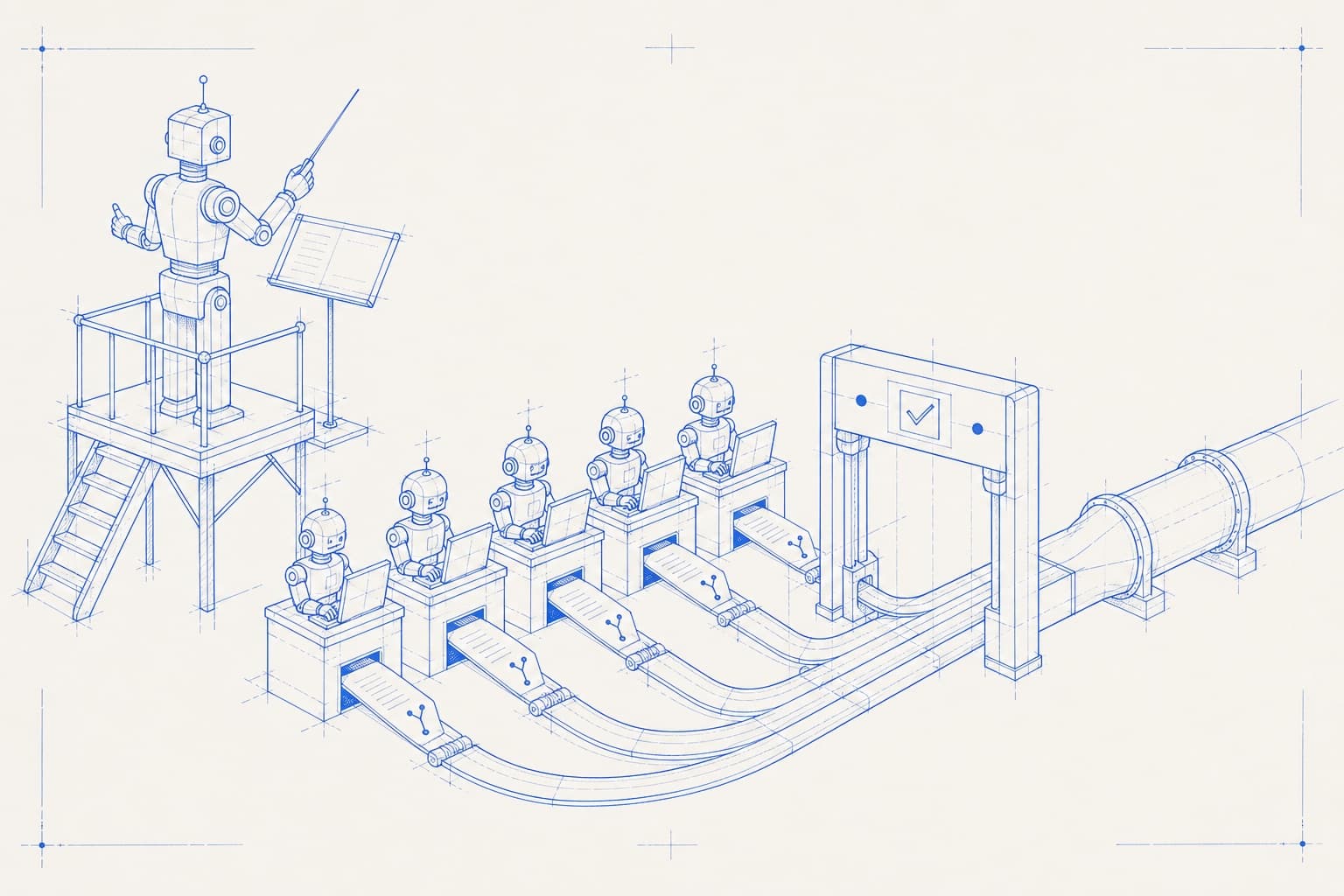
When 90% of developers use coding agents weekly: what changes for teams?
Reads JetBrains and McKinsey survey findings on coding-agent adoption and building software with agents, then considers what the shift means for enterprise AI teams and procurement.
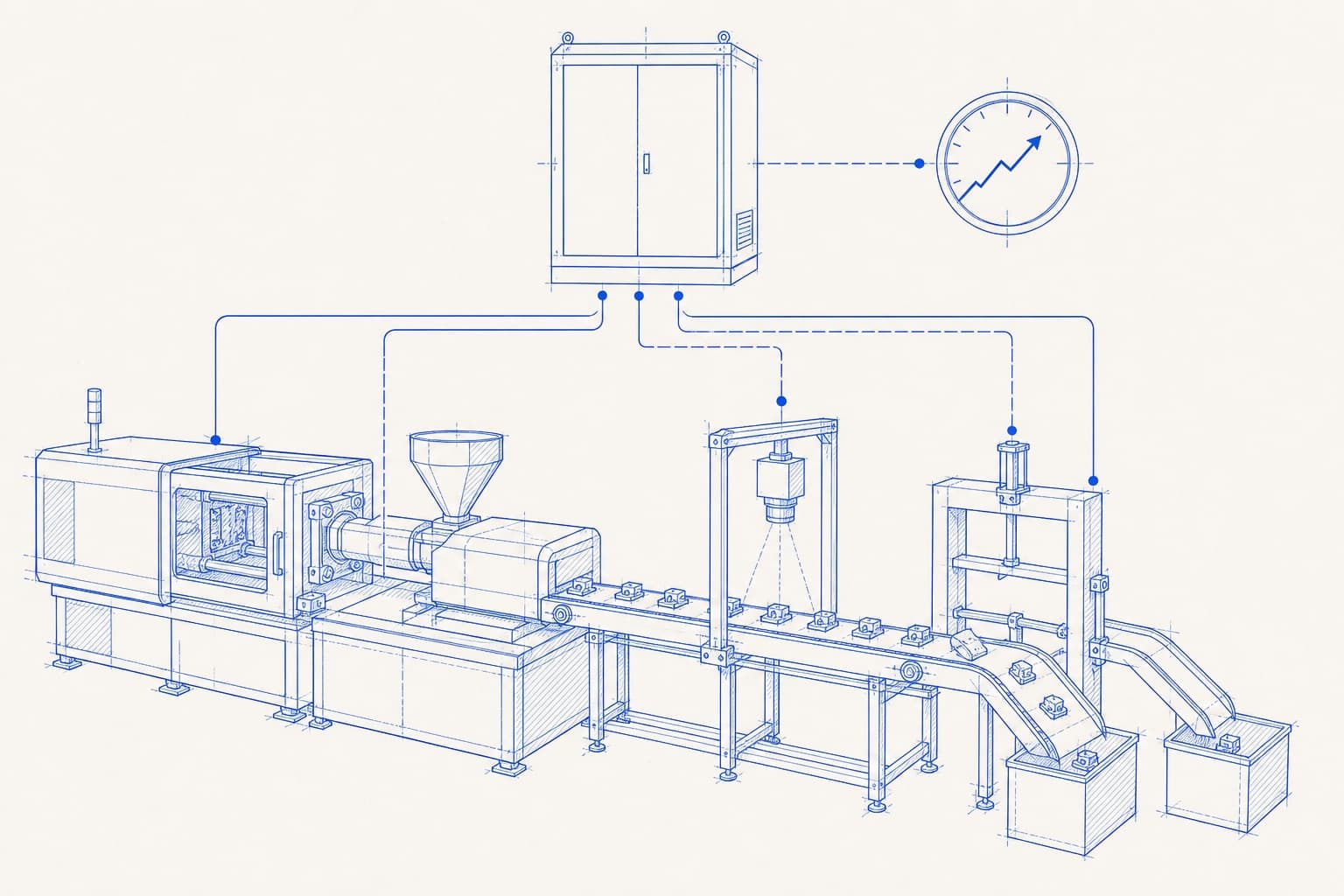
Manufacturing AI transformation in Korea: a practical starting sequence for smaller businesses
Examines reported productivity and defect-rate results from Korea’s M.AX program, the common structure in large-company cases, and where smaller manufacturers can start when their data is not ready.
What a 15-person agency changed with AI: starting points from small-business cases abroad
Reviews agency, accounting, cleaning-franchise and retail cases, identifies self-reported figures, and proposes a starting sequence for companies of a similar size to Noventis.
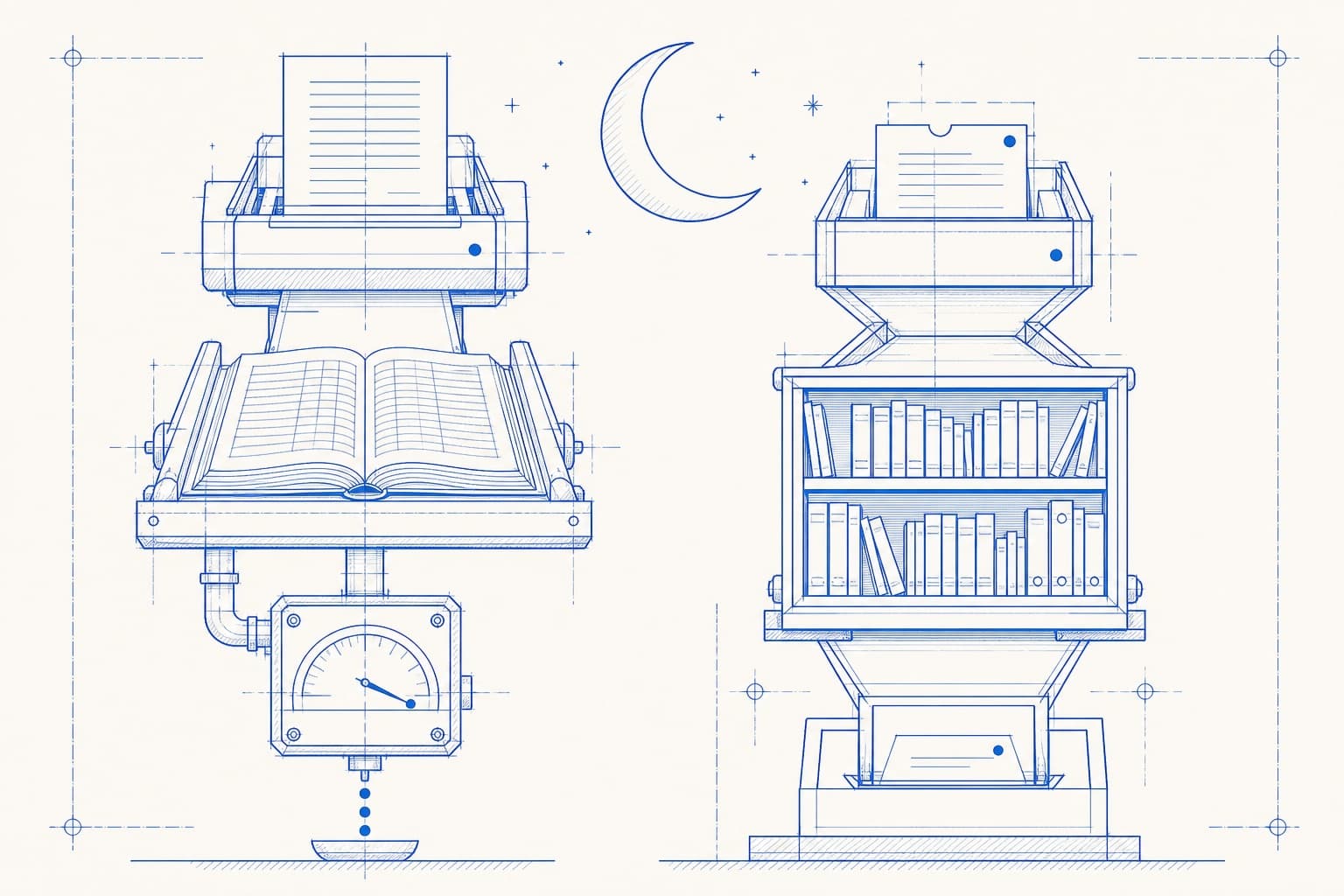
Two six-week projects: the structure behind support-ticket and invoice automation
Reviews two small-business cases reported in August 2026, their delivery and payback claims, common workflow structure, and a receivables-agent example, with lessons for automating inquiry emails.
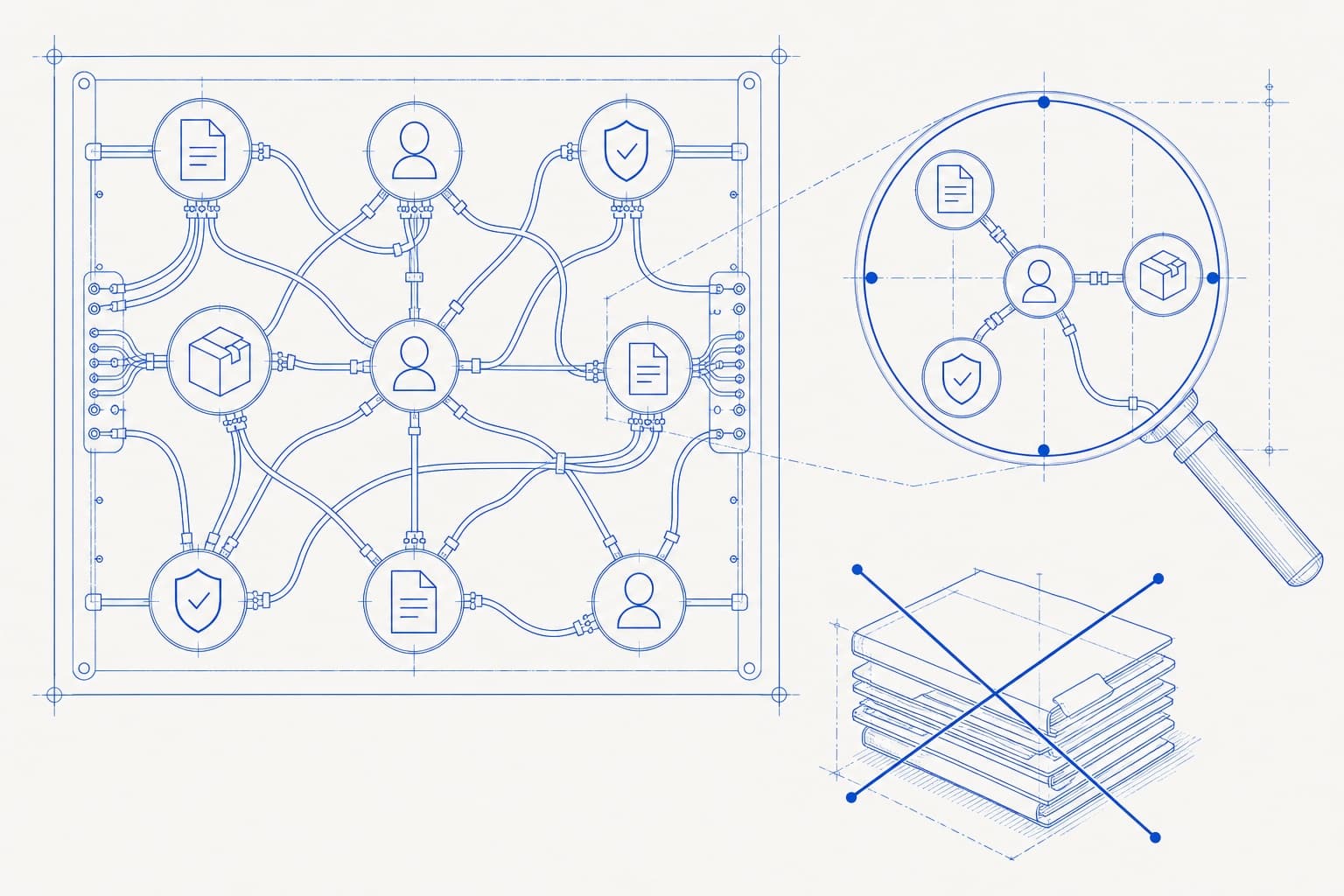
Context through graphs: why agents need relationships rather than entire files
Explains how code graphs and knowledge graphs such as GraphRAG can reduce context costs and errors, and sets out design criteria for applying the same structure to enterprise workflow data.
GEO: why AI answers skip your company, and what you can improve
Generative engine optimization concerns mentions and citations in AI answers. This article reviews Korean vendor-recommendation queries, why a website alone is insufficient, and the measurement method Noventis uses with clients.